From the age of eight until I was sixteen, I lived on the edge of Klein Constantia, just over the hill. As a young athlete I trained on the gravel roads that run between the Constantia estates, mile after mile through the vines, so I know this valley about as well as I know anywhere.
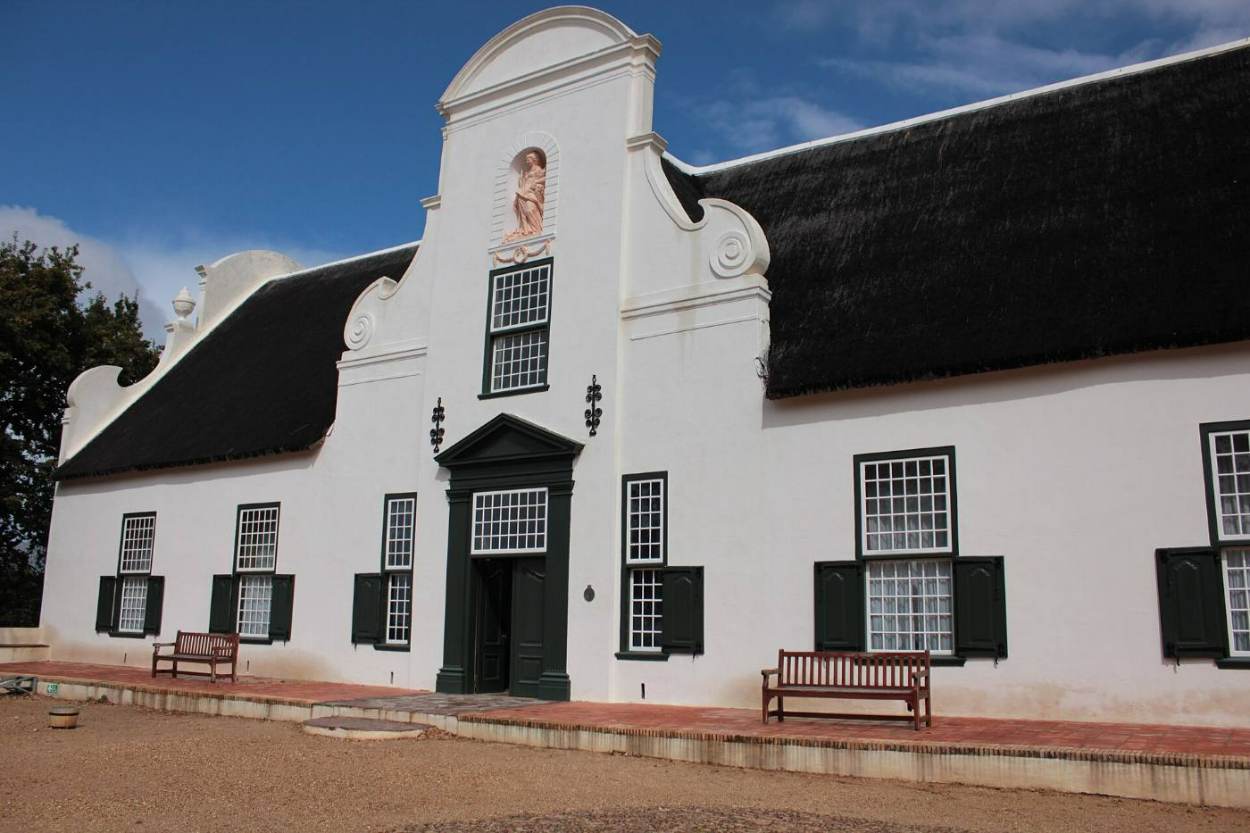
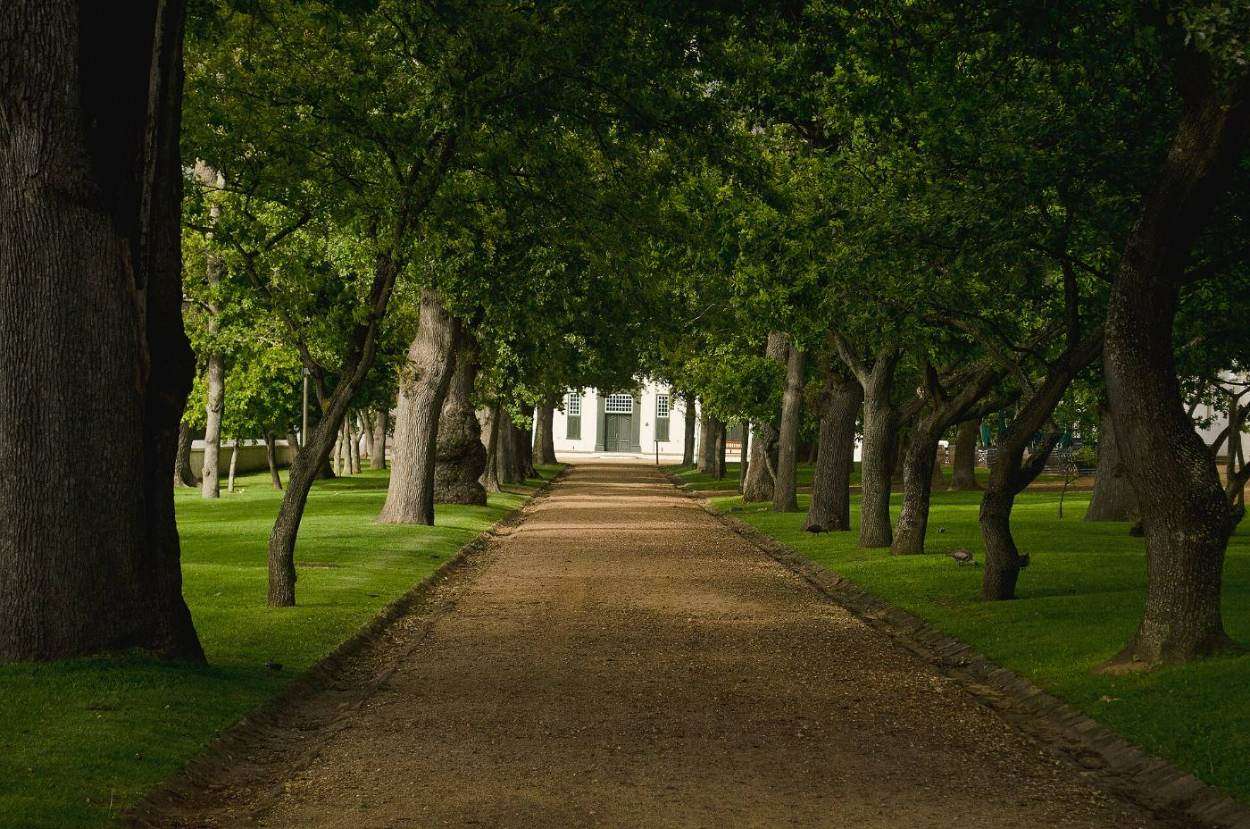
At the heart of it is Groot Constantia. It was here, in 1685, that the governor of the Cape, Simon van der Stel, was granted land on condition that he plant vines, and wine has been made here ever since. The white Cape Dutch manor house at the top of the oak avenue, with its tall gable and thatched roof, is one of the most beautiful old buildings in the country.
It is only about twenty-five minutes from the city, yet the moment you turn in under the oaks, Cape Town feels a long way off. We walk through the manor, stand in the old cellar where the most famous wine of its day was made, then taste the wines in the place they come from.
John Sparks
The wine that went round the world
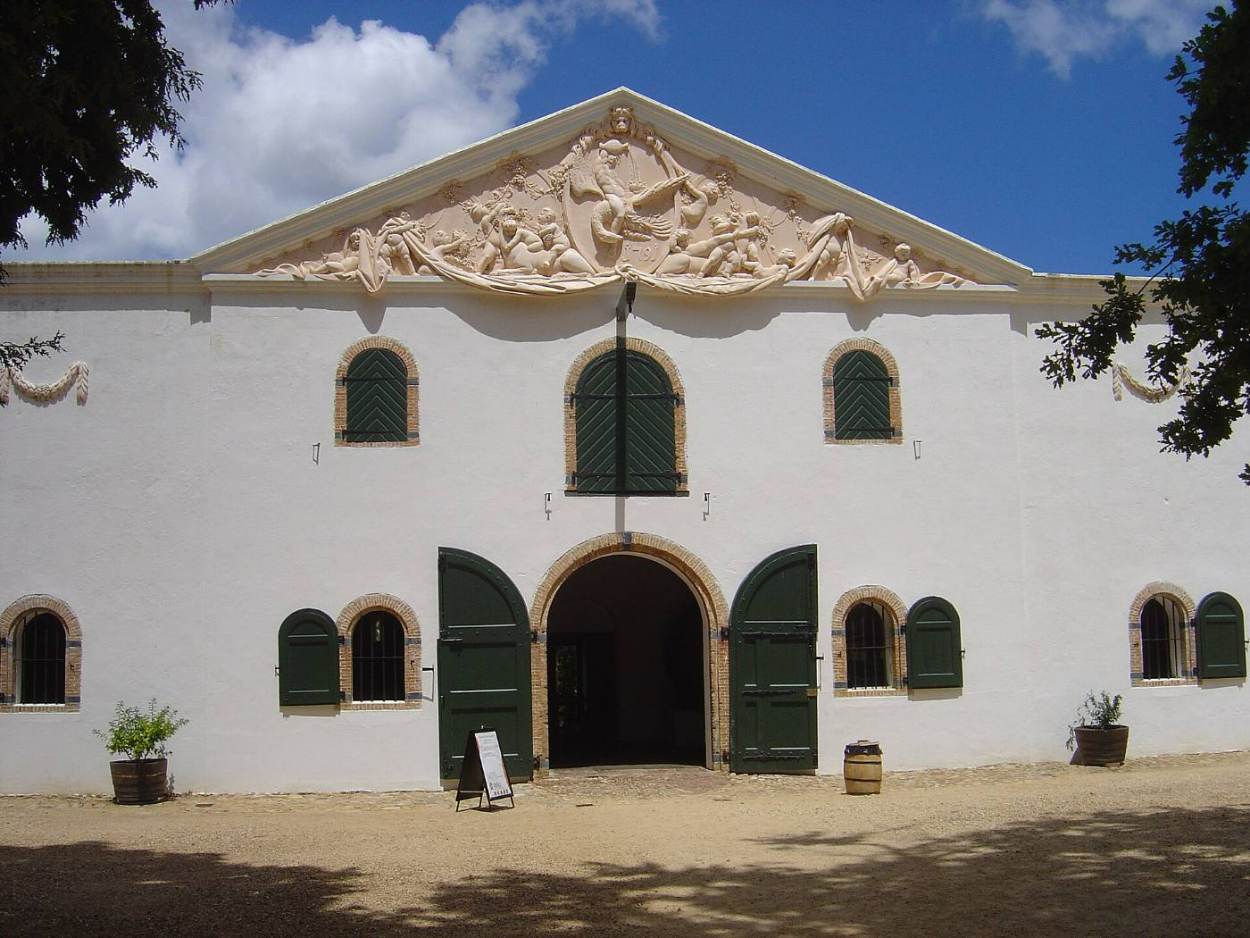
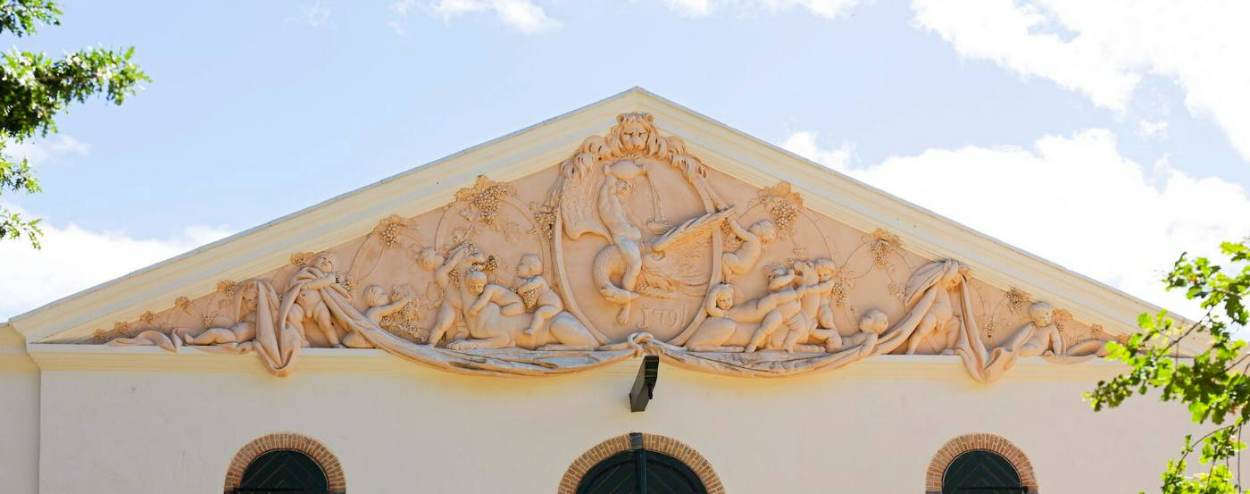
After van der Stel died in 1712, the estate was divided, and the part with his manor house became Groot Constantia, “great Constantia”. In 1778 it was bought by Hendrik Cloete, and under the Cloete family it entered its golden age. They remodelled the manor and, in 1791, built the great cellar that still stands beside it, its gable carved with a magnificent pediment.
What made the estate famous was a sweet wine, made from grapes left late on the vine. For a time it was among the most sought-after wines in the world. Jane Austen wrote of its healing powers in Sense and Sensibility, Baudelaire put it in a poem, and Napoleon, in exile on St Helena, had it sent to him until he died in 1821. In 1833 King Louis Philippe of France became its largest buyer of all.
Then came hard times: a trade treaty between Britain and France that closed markets, and vine diseases that swept through the Cape vineyards. In 1885 the Cape Government bought the estate at auction, and it has belonged to the country ever since, today run by the Groot Constantia Trust. The famous sweet wine is made here again, as Grand Constance, and it is the story I most like to tell over a glass of it.
Manor, cellar and vines
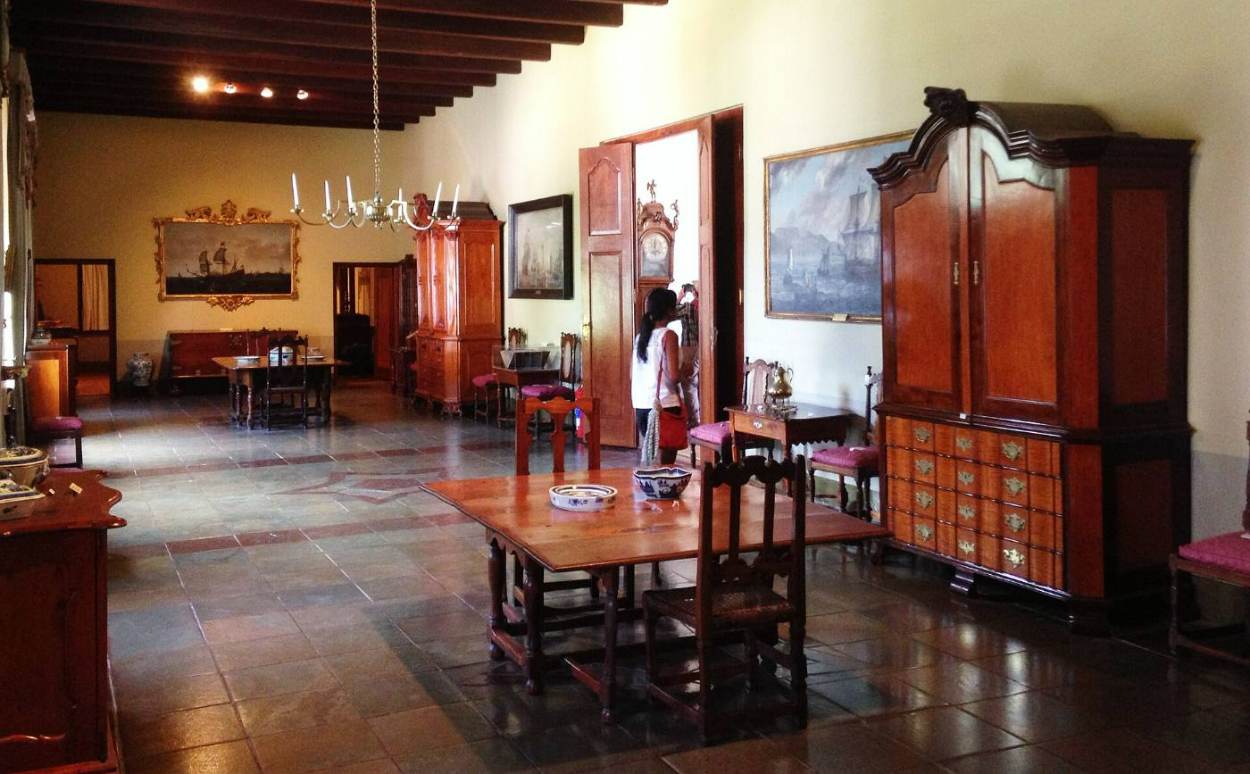
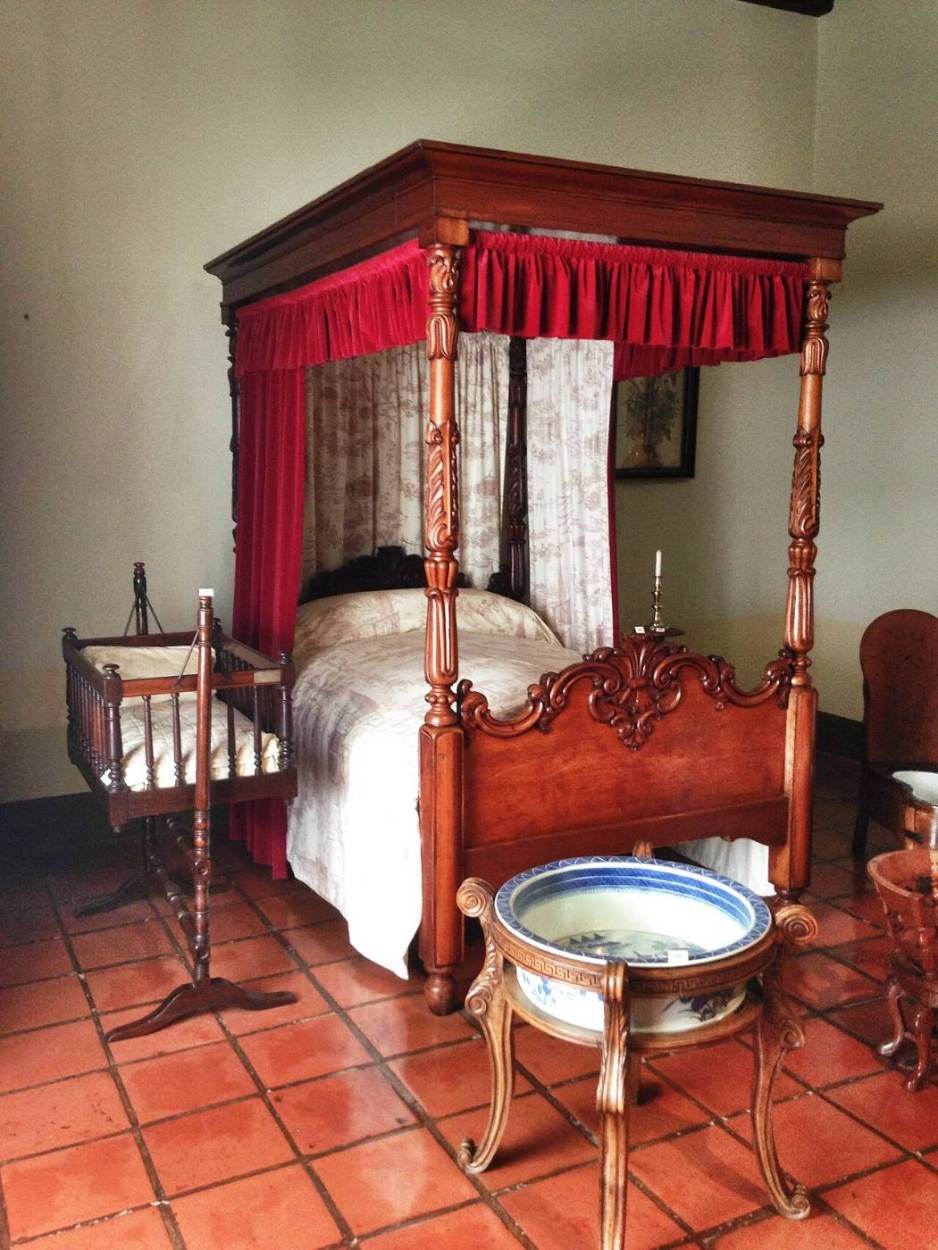
The manor house
Now a museum, furnished as the home of a wealthy Cape family of the eighteenth and nineteenth centuries. It burned in 1925 and was carefully restored, opening as a museum in 1927.
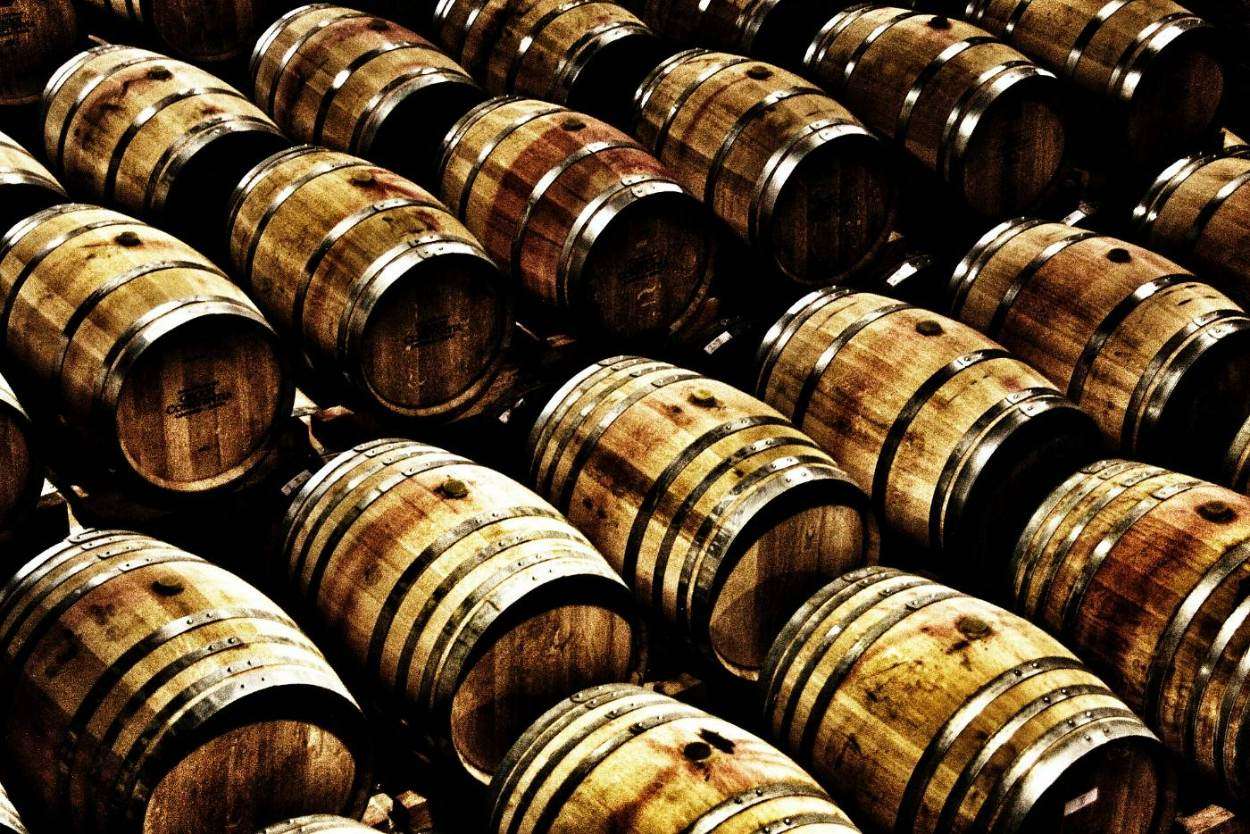
The Cloete Cellar
The old wine cellar of 1791, now a small museum of wine, with an old tasting room and the story of the Constantia sweet wine.
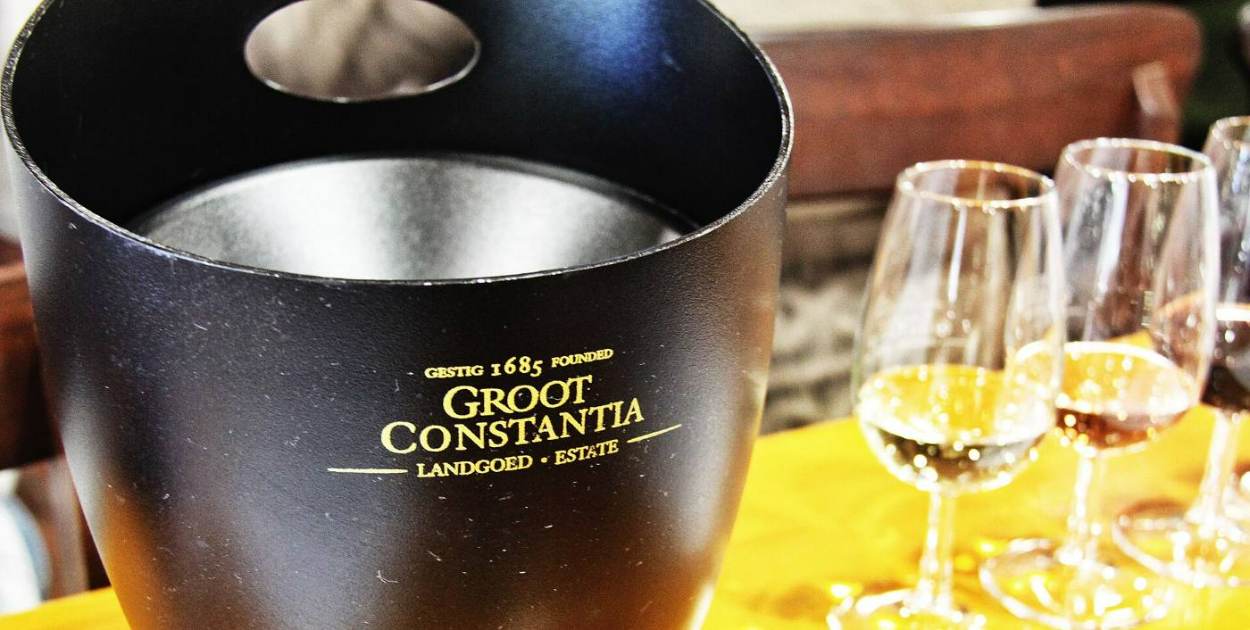
The tasting
A tasting of the estate’s wines, a cellar tour, and, for those with a sweet tooth, wine paired with chocolate.
The vineyards
Self-guided walks lead out through the vines, the manor and the modern cellar, with the mountains rising behind and, on a clear day, a glimpse of False Bay.
A Constantia afternoon, the way I like it
Up the avenue
We drive in under the oaks and start at the manor house, before the busloads arrive.
The cellar and the story
Into the Cloete Cellar to hear how a wine from this valley ended up on the tables of kings and emperors.
The tasting
A seated tasting of the wines, ending with a little Grand Constance, the sweet wine that made the name.
Lunch under the oaks
A long lunch at Jonkershuis, under the oak trees beside the manor, or at Simon’s restaurant on the estate.
The valley
If there is time, a drive along the old roads I ran as a boy, past Klein Constantia and the other estates, or on to Chefs Warehouse at Beau Constantia for sundowners with a view.
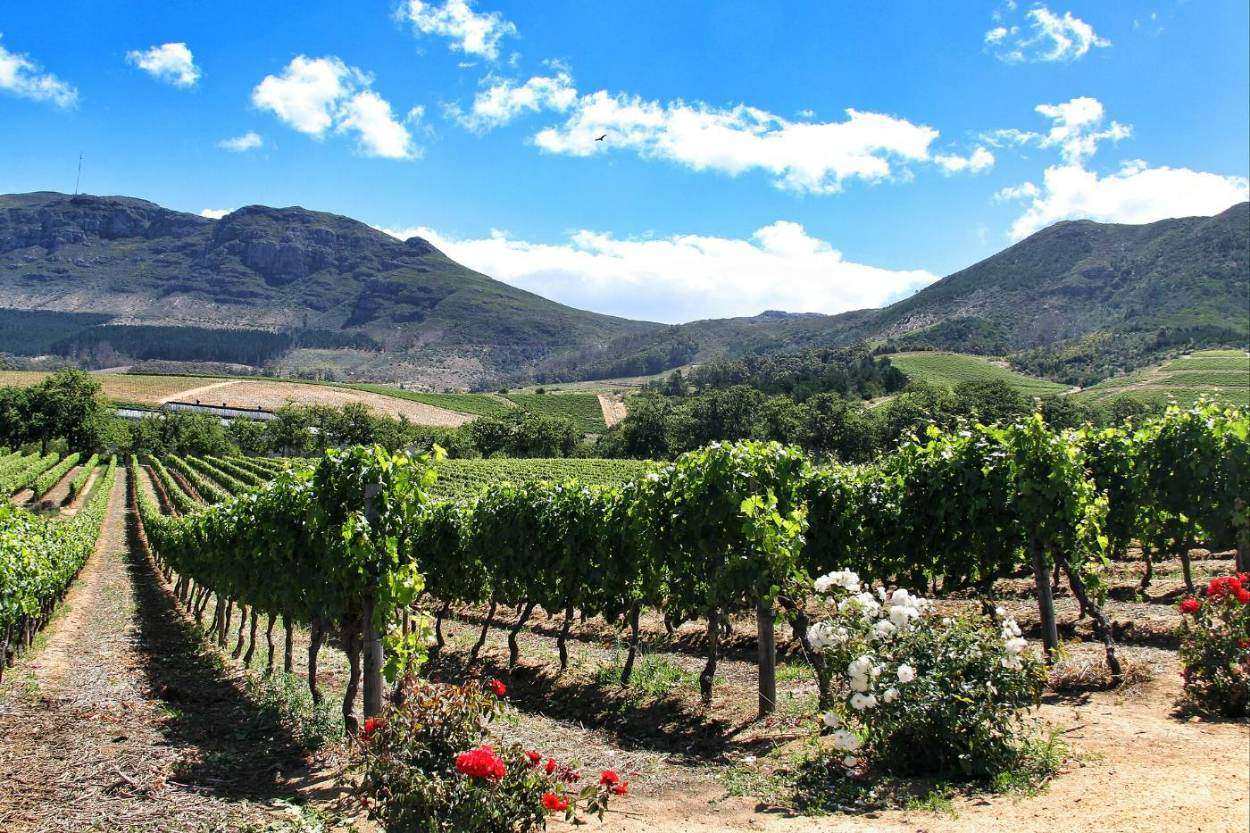
Photographs to keep
Twenty-five photographs of Groot Constantia, the manor, the cellar and the vineyards, to look at large and download.
Open the gallery ↗A wine from this valley once crossed oceans to find kings, poets and an exiled emperor.
Before you go
Where
In the Constantia valley, on the far side of Table Mountain from the city, about twenty-five minutes’ drive from the centre.
When
The tasting room is open every day from nine in the morning until six, except on Christmas Day. Late summer, around harvest time, is lovely; so are the green, misty days of winter.
How long
Allow two or three hours for the manor, the cellar and a tasting, and longer if we stay for lunch.
Pairs well with
A morning on Table Mountain, the Castle of Good Hope, a walk through the Bo-Kaap, and sundowners on Signal Hill.