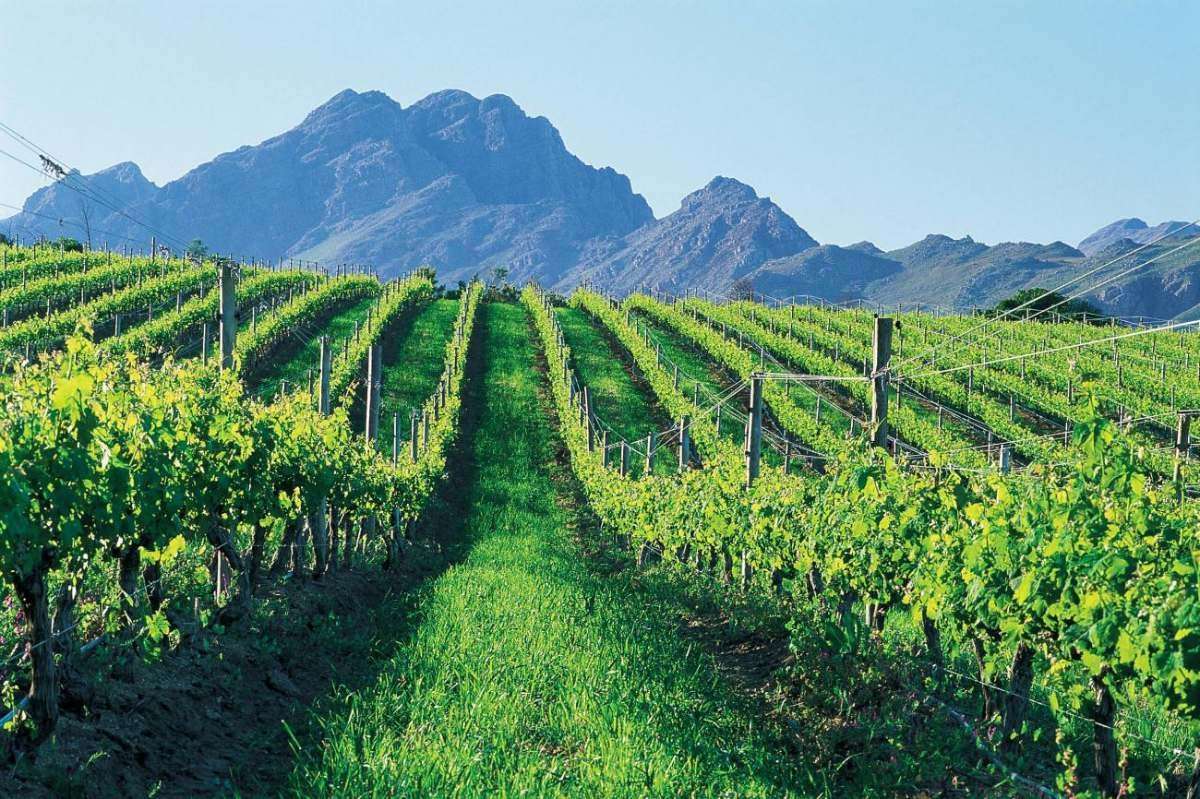
Some wine farms I know from the tasting room. Rustenberg I know through family. Peter Barlow, who bought the farm in 1941, and his family have been friends of ours for generations.
Our two farms are tied together by a name. My great-grandfather, Richard Stuttaford, farmed on the other side of Stellenbosch, on land that was part of an old tract called Rustenburgh. Two big wine farms in one district with almost the same name caused endless confusion, for the post office, for suppliers, for everyone. So in 1928 he renamed his farm. He took “Stellen” from Stellenbosch and “rust” from Rustenburgh, and called it Stellenrust: finding rest in Stellenbosch.
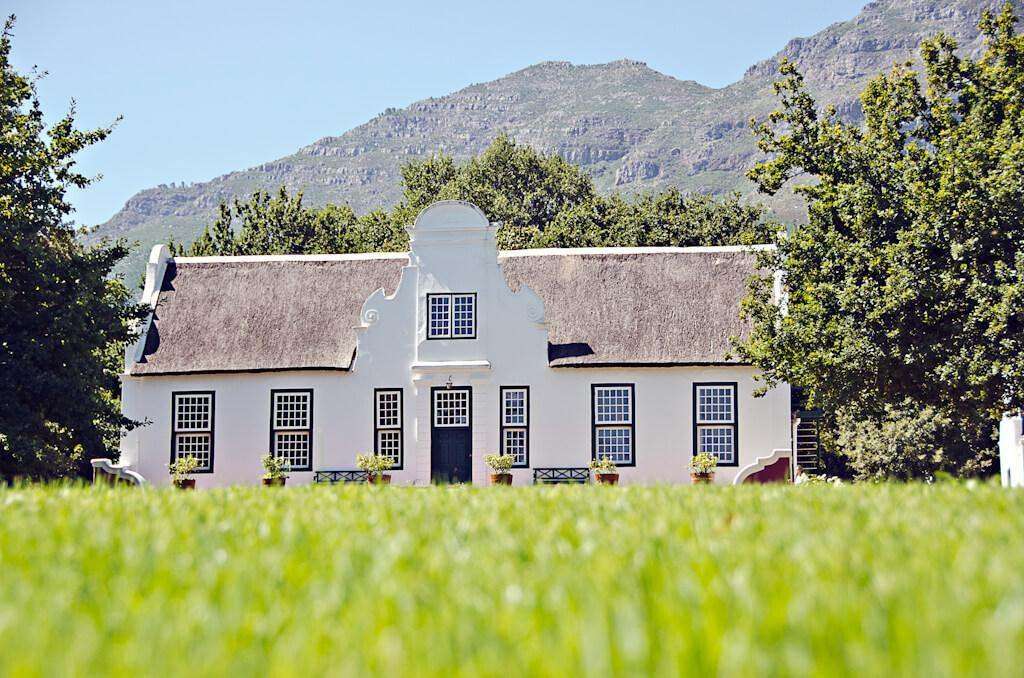
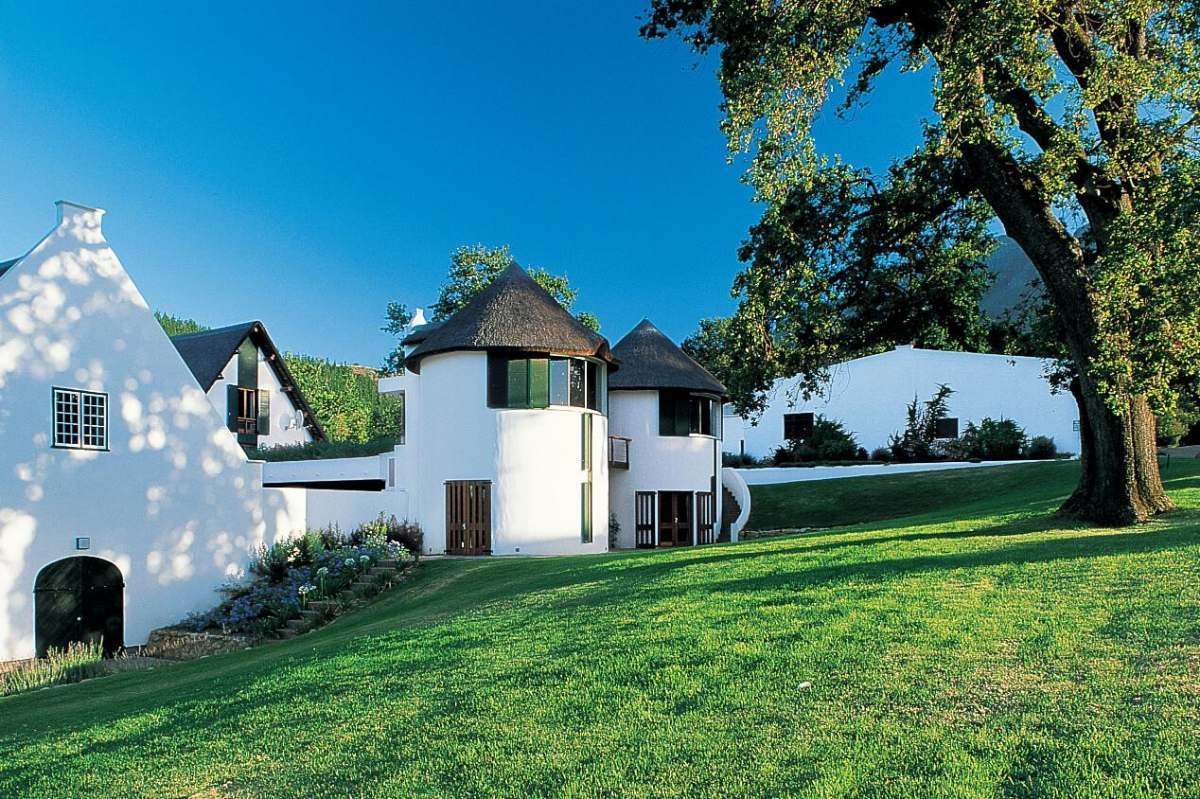
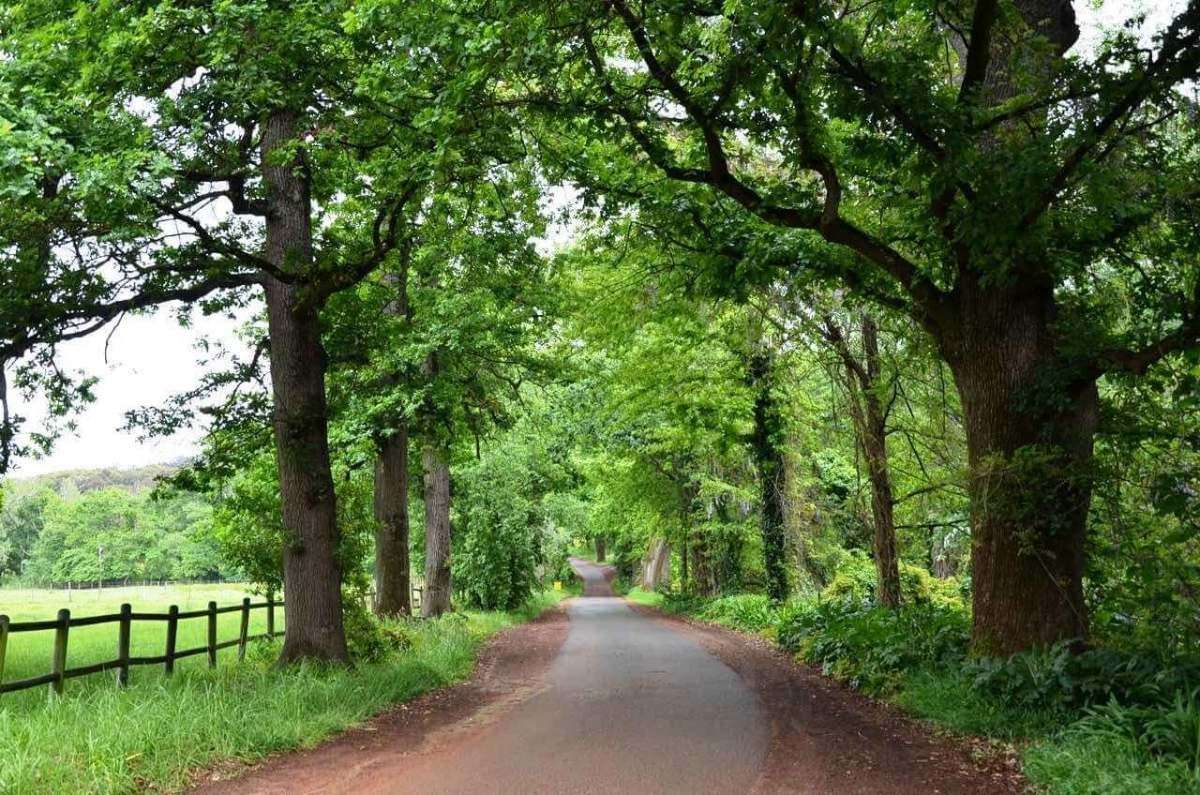
Rustenberg sits at the top of Ida’s Valley, right under the great rock face of the Simonsberg. You drive in through pastures where the cattle graze, past old oaks and whitewashed Cape Dutch buildings, to a quiet werf and a tasting room in the old stables. Then there is the Schoongezicht Garden, one of the loveliest gardens on any wine farm in the Cape. It is a working family farm, not a show, and that is exactly why I love bringing guests here.
John Sparks
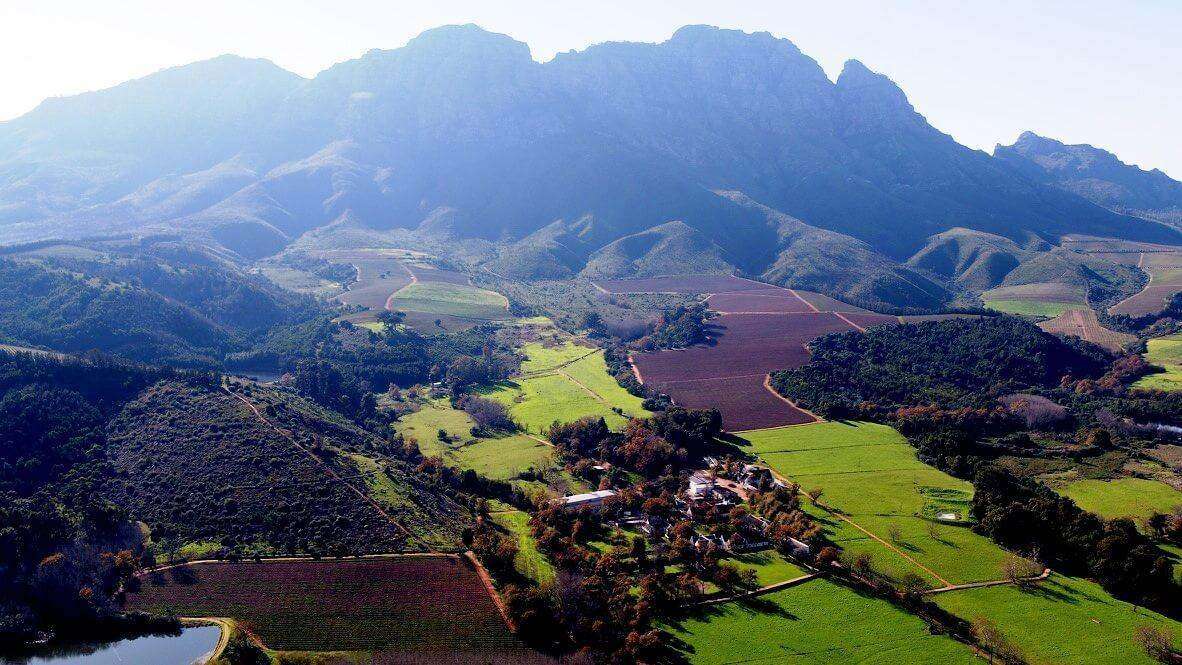
Three centuries in one valley
In 1682 the farm was granted to Roelof Pasman, who came from Meurs near the Rhine. He named it Rustenburg after his home village, and the name later became Rustenberg. By 1691 he had planted 5,000 vines, and within a hundred years the farm was producing thousands of cases of wine.
In 1810 the farm was divided in two. One half kept the name Rustenberg; the other became Schoongezicht, “beautiful view”. Both flourished for a while, with fine homesteads and full vineyards, until recession and vine disease brought ruin in the middle of the century.
Rescue came in 1892. John X Merriman, who would become the last Prime Minister of the Cape Colony, bought Schoongezicht, and his brother-in-law bought Rustenberg. Together they replanted the vineyards on disease-resistant rootstock and sent wine to England and the Continent. Wine has been made in the cellar every single year since.
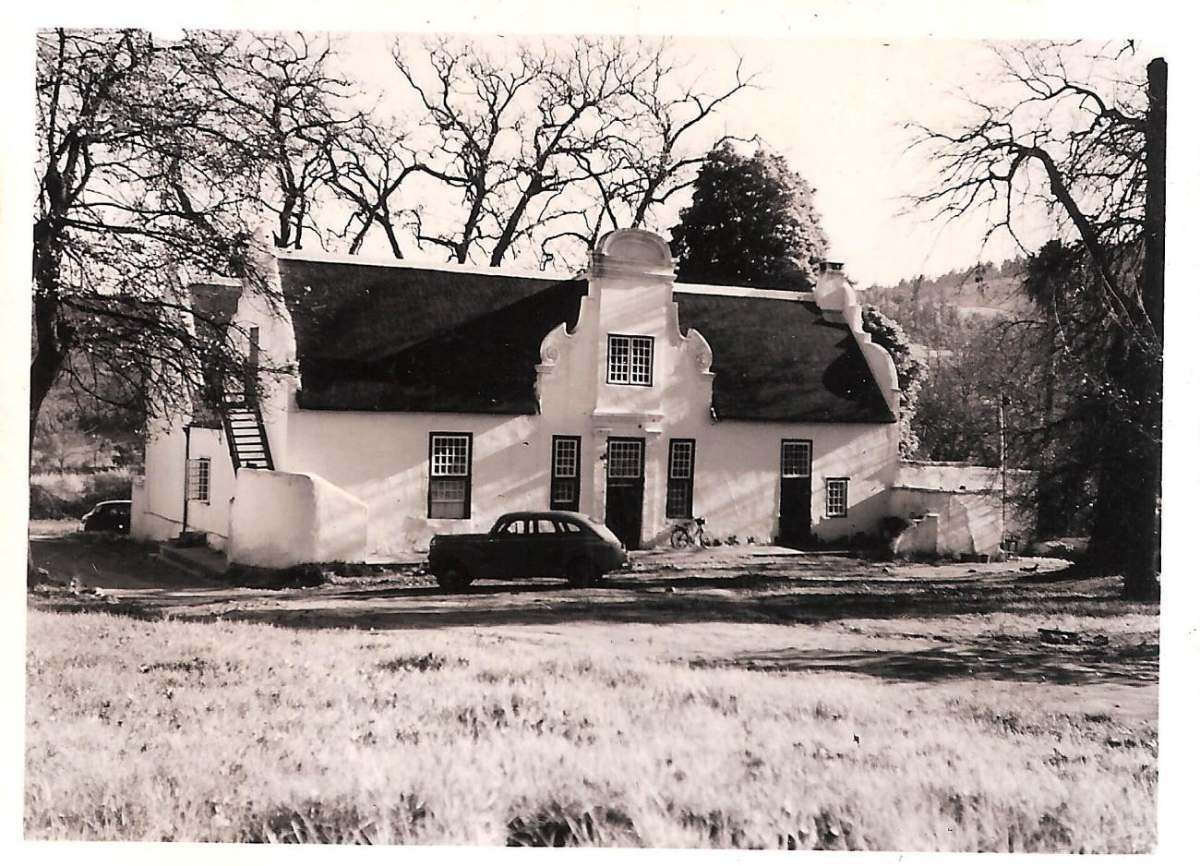
In 1941 Peter Barlow was given leave from his army unit to buy Rustenberg. While he was away buying the farm, his unit was captured and its men became prisoners of war. In 1945 he bought Schoongezicht too, and the two halves became one farm again. His son Simon and Simon’s wife Rozanne took over in 1987, and their son Murray now makes the wine. Three generations, and more than eighty years: the longest any one family has owned the farm.
“Land moves through other people’s hands, but the rooms where your mother laughed and the trees she looked at in the mornings never really belong to anyone else.”
I tell the story of Stellenrust, and how Rustenberg gave it its name, in chapter 18 of September Tides, “Vines and Stories”: the day I took a family back to my grandfather’s farm, where my mother grew up and where we swam in the river pool as children. You can read more in the September Tides flip-book.
More than a tasting
A national heritage site
Rustenberg was declared a National Heritage Site in 2004 as part of Ida’s Valley. Some of its gables carry the dates 1800, 1812 and 1815, and several buildings go back to the 1780s.
The Schoongezicht Garden
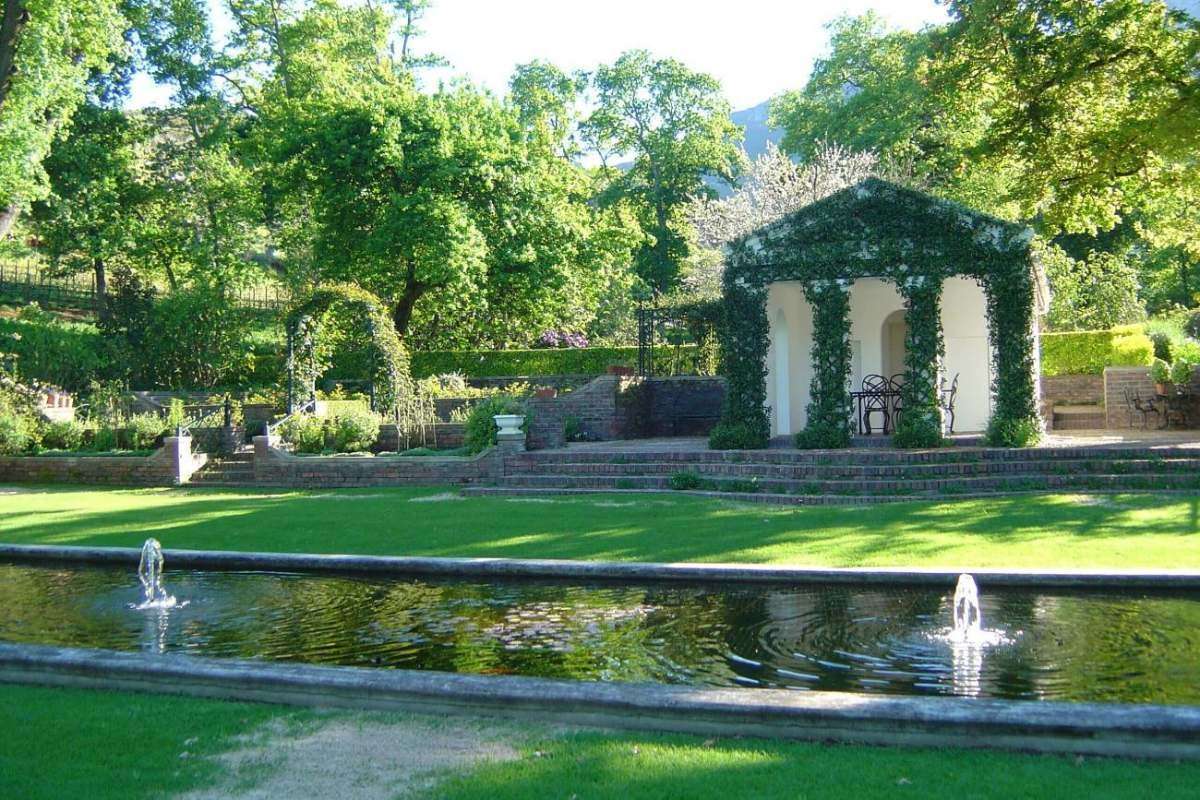
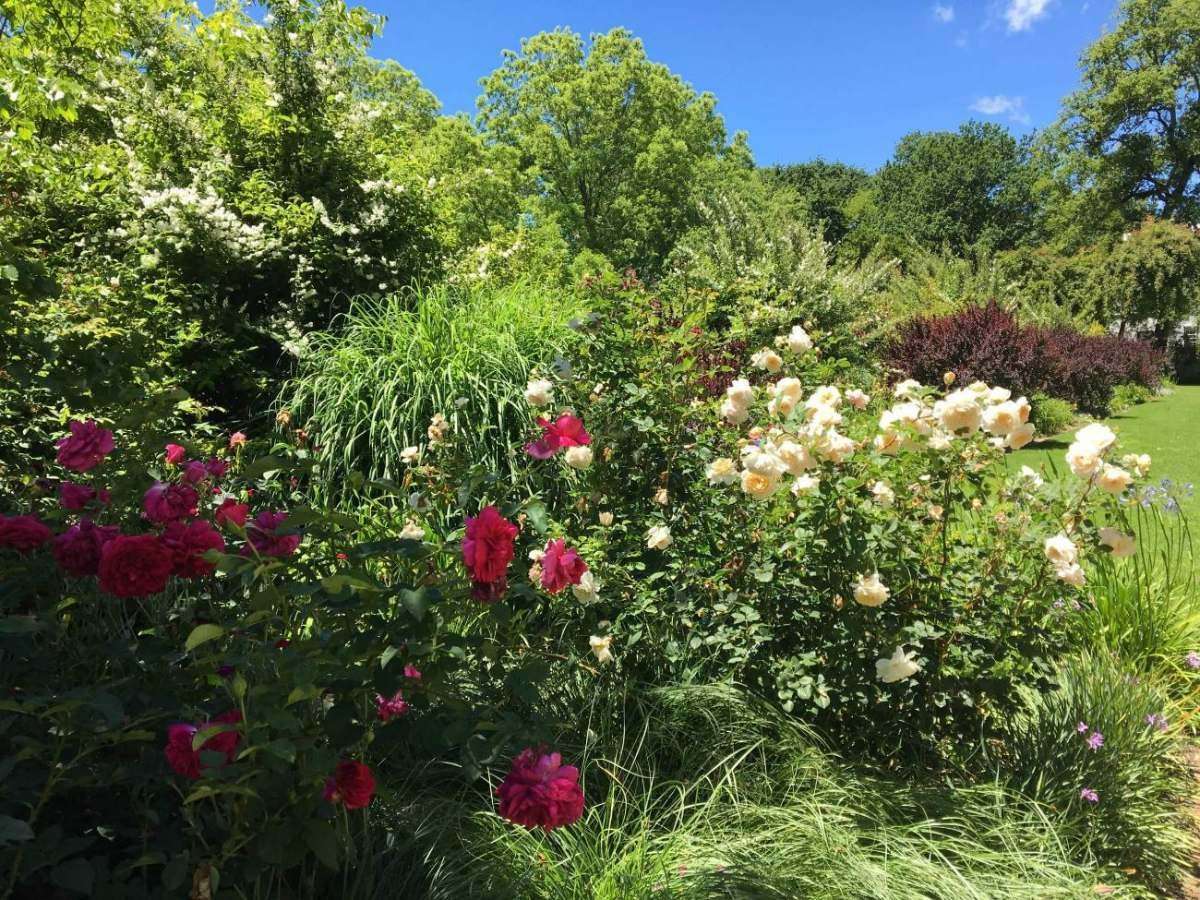
Rozanne Barlow brought this one-hectare garden back to life. The old tennis court is now a Chartres-style labyrinth, the swimming pool is a lily pond, and John X Merriman’s 1890s pergola is covered in roses again.
The wines
Chardonnay and Cabernet Sauvignon are the stars, including the Five Soldiers Chardonnay and the Peter Barlow Cabernet, named after the man who bought the farm. Murray Barlow is the only winemaker to have won the Diners Club Young Winemaker of the Year twice.
Wild neighbours
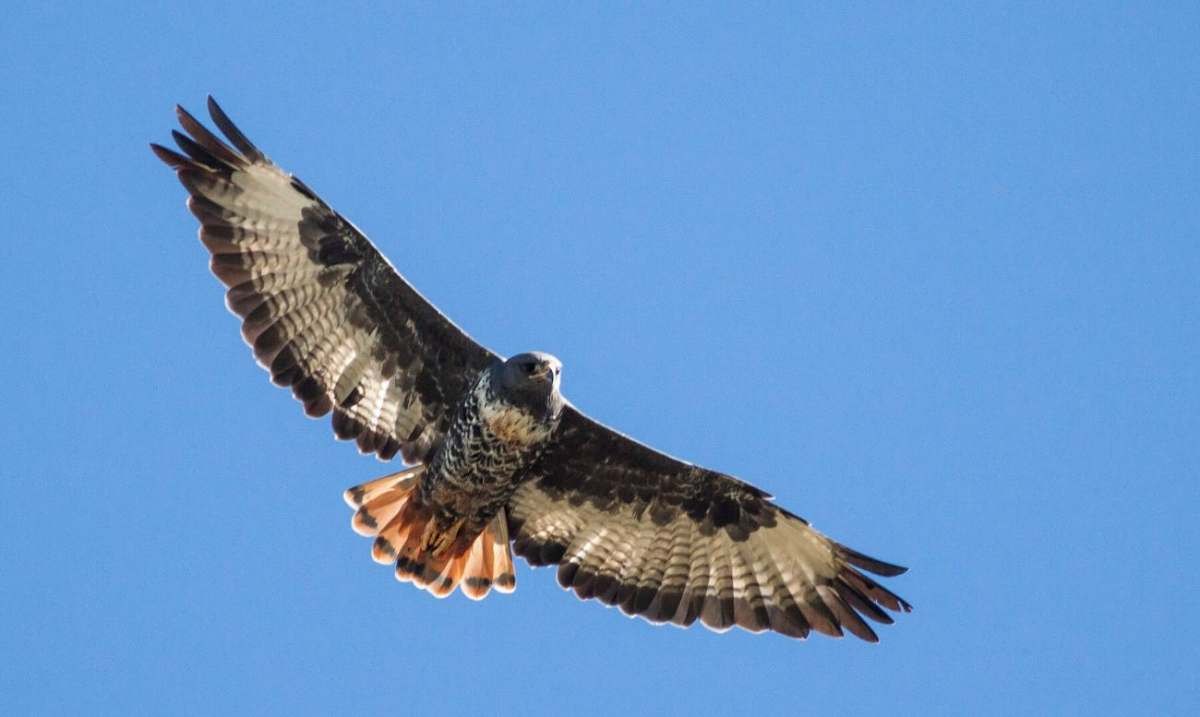
Most of the farm is fynbos and wild land. Fish eagles and buzzards hunt over the dams, and at night Cape leopards, caracals and porcupines move across the mountain slopes.
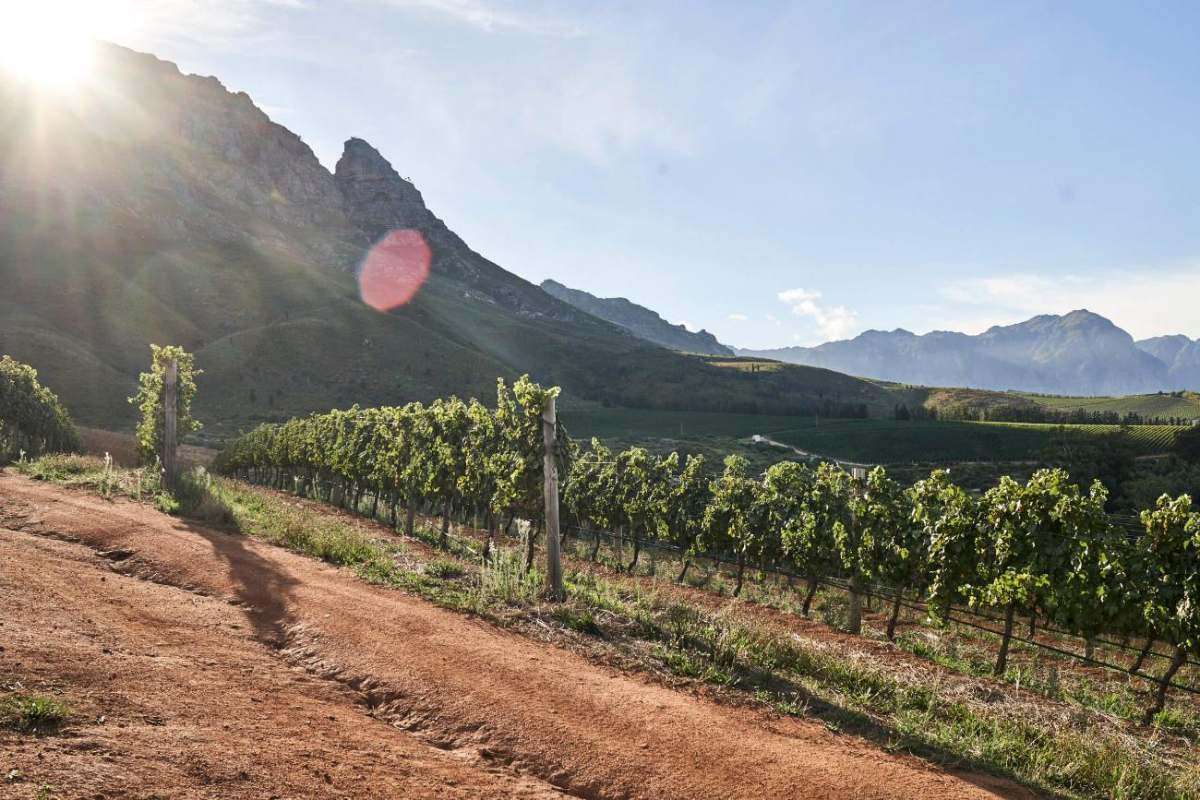
Rustenberg, the way I like it
The drive in
Up Rustenberg Road from Ida’s Valley, past the pastures and the cattle, under the oaks to the werf. Look up and you will see the vineyards high on the mountain.
The tasting
A tasting in the old stables, now the tasting room. We usually choose the site-specific wines, which include an older vintage, so you can taste how the wines age.
The garden
A slow wander through the Schoongezicht Garden: the labyrinth, the lily pond, the roses and the pergola, with the Simonsberg as a backdrop.
A quiet moment
A bench under the oaks on the werf. Rustenberg is never in a hurry, and neither are we.
On to lunch
Stellenbosch is only a few minutes away, with some of the best restaurants in the Winelands.
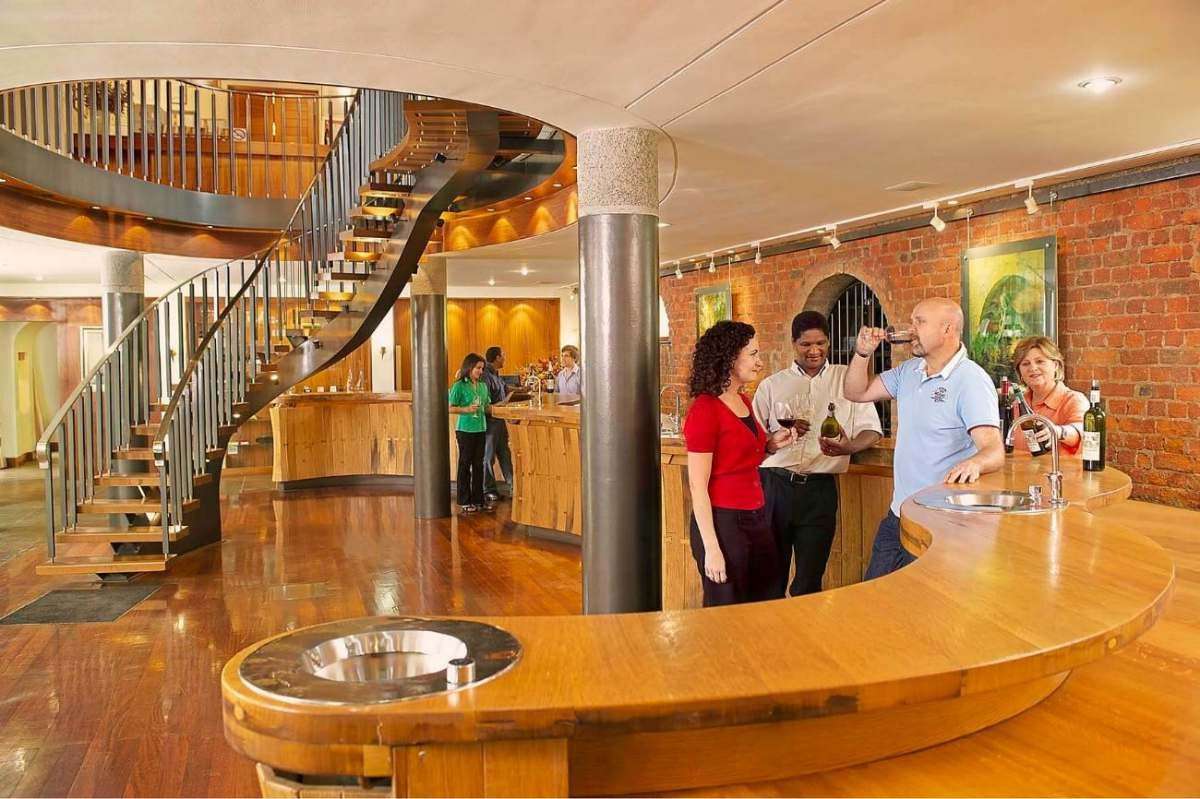
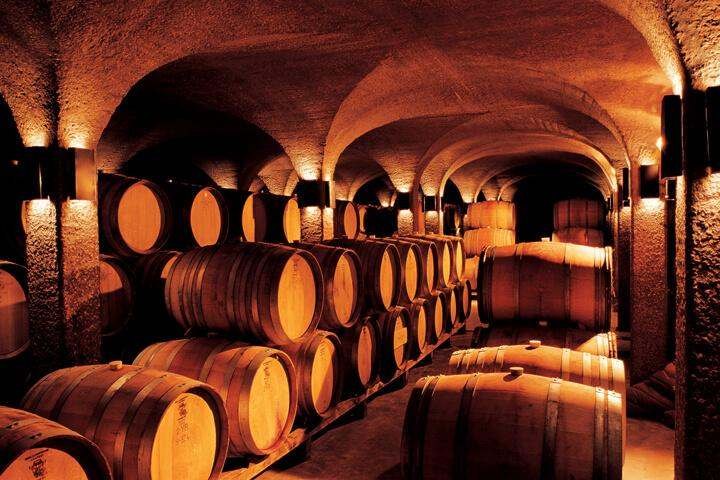
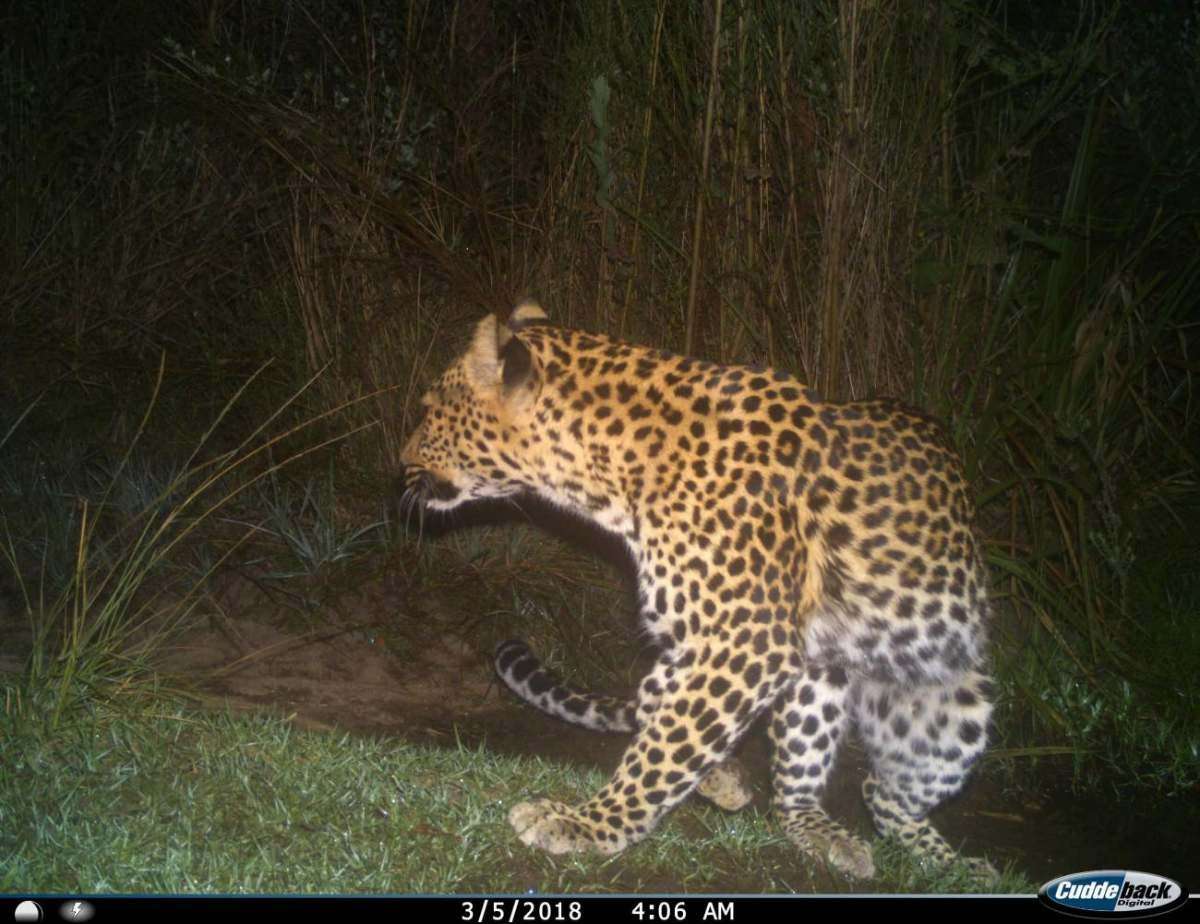
Photographs to keep
Twenty-eight photographs of Rustenberg, the vineyards, the old buildings, the gardens and the wildlife of the farm, to look at large and download.
Open the gallery ↗Two farms, one name, and a friendship between our families that goes back generations.
Before you go
Where
At the end of Rustenberg Road, in Ida’s Valley, just outside the town of Stellenbosch and under the Simonsberg.
When
The tasting room is open every day: weekdays 9.30 to 4.30, Saturdays 10 to 4, Sundays and public holidays 10 to 3. It is closed on Good Friday, Christmas Day and New Year’s Day. Allow half an hour before closing for a full tasting.
Book ahead
We always book your tasting. The tasting room takes groups of up to eight.
The gardens
The Schoongezicht Garden is open whenever the tasting room is. The private Rustenberg Garden, around the family’s manor house, opens to the public only once a year, on the Rustenberg Open Garden weekend.
Bring
Comfortable shoes for the garden paths, and time. This is a place to slow down.
Pairs well with
Lunch at Lanzerac, a night at Rosemary Cabin or Klein Frans in Stellenbosch, and the Constantia estates of my boyhood, Klein Constantia and Buitenverwachting.