Stellenbosch is the second-oldest town in South Africa, after Cape Town, and for me it is family ground.
My great-grandfather, Richard Stuttaford, farmed here. In 1928 he brought his farms together and named the estate Stellenrust, and my mother grew up on its upper slopes. As a young athlete of sixteen, seventeen and eighteen, I would come to Stellenbosch to race, and rest on the farm between races. The family has long since sold out of Stellenrust, and today Waterford Estate stands on land that was once part of it.
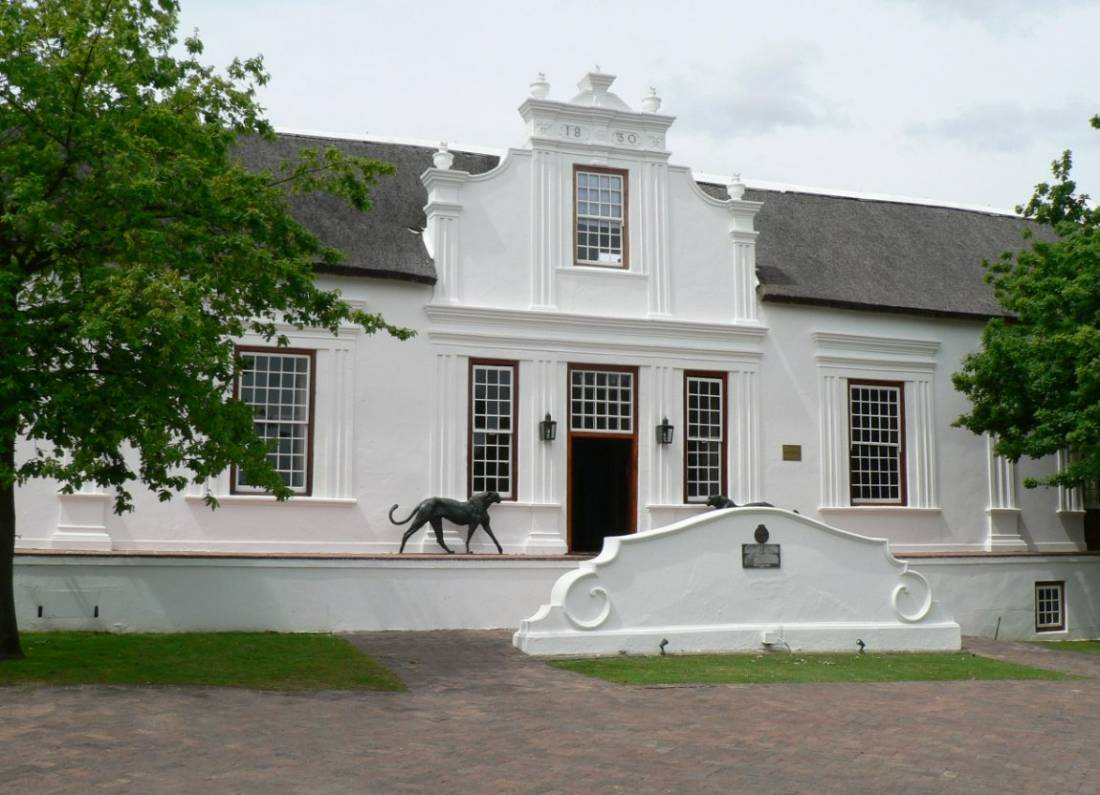
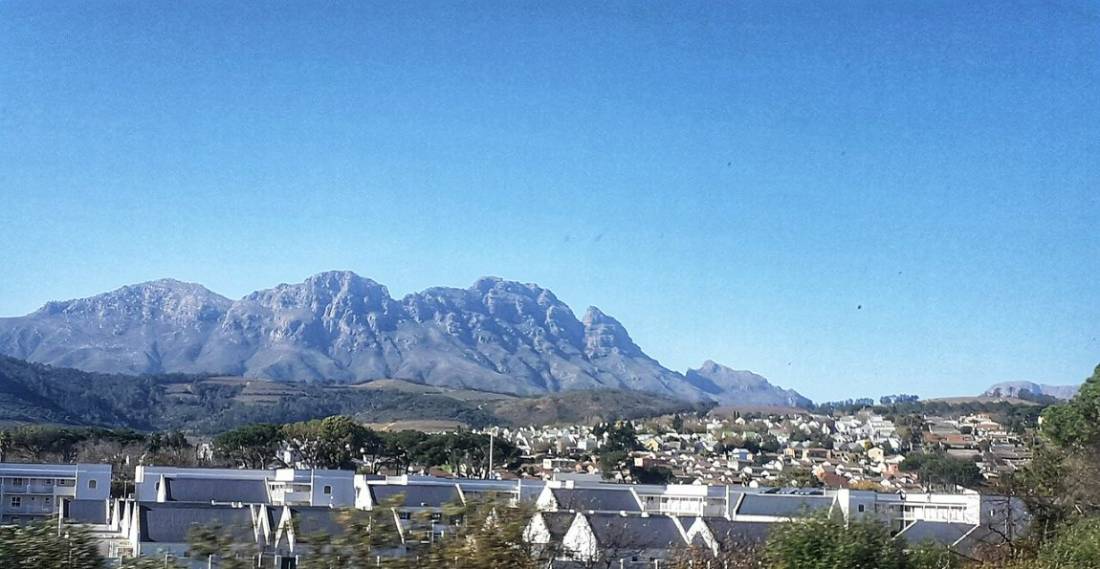
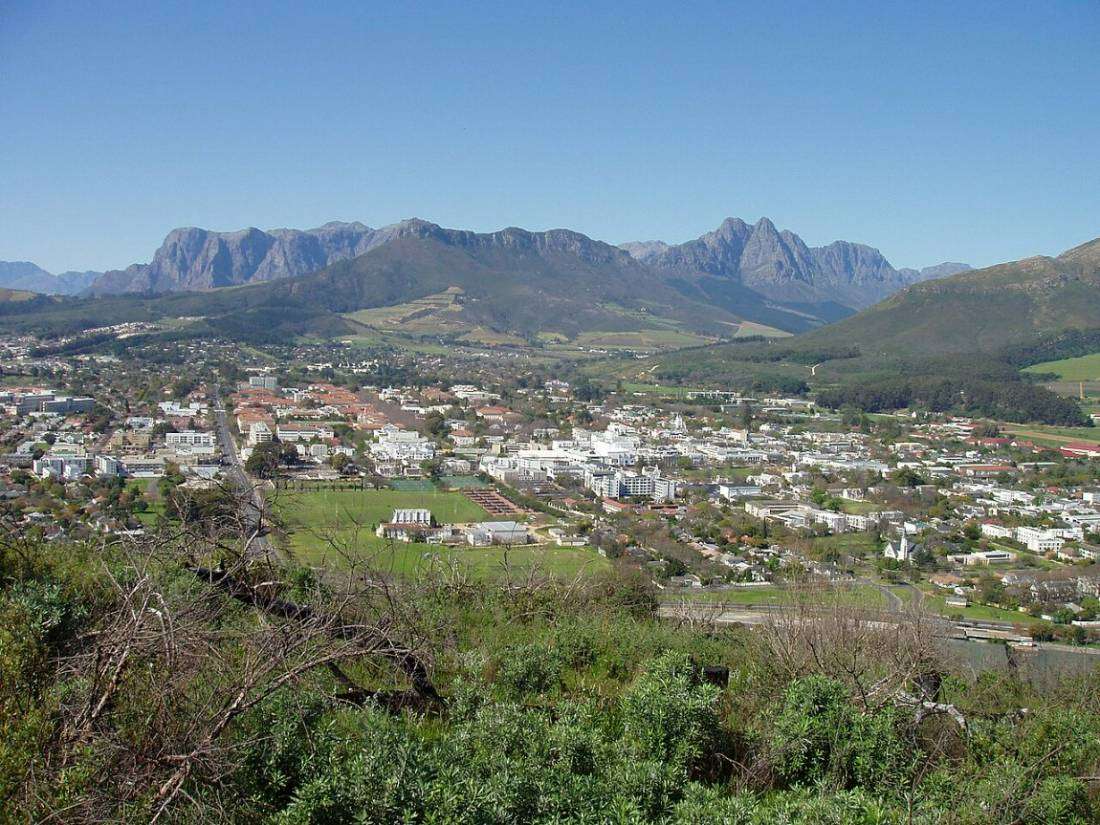
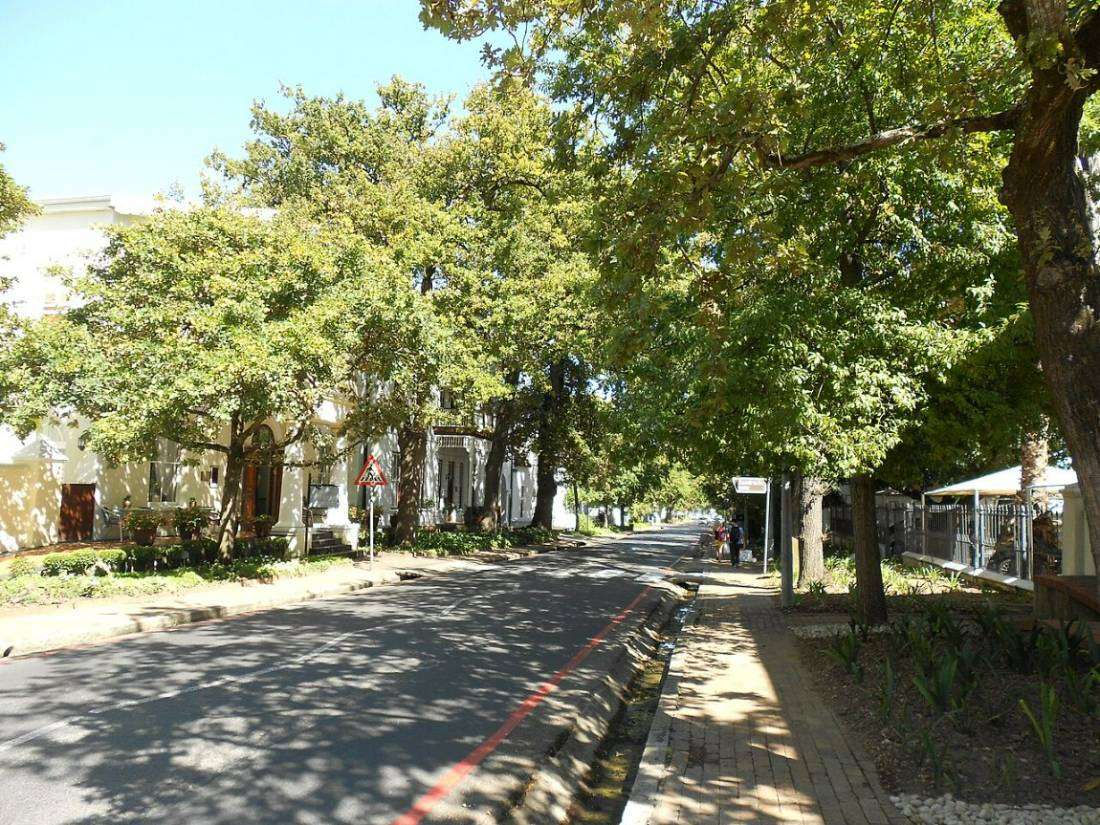
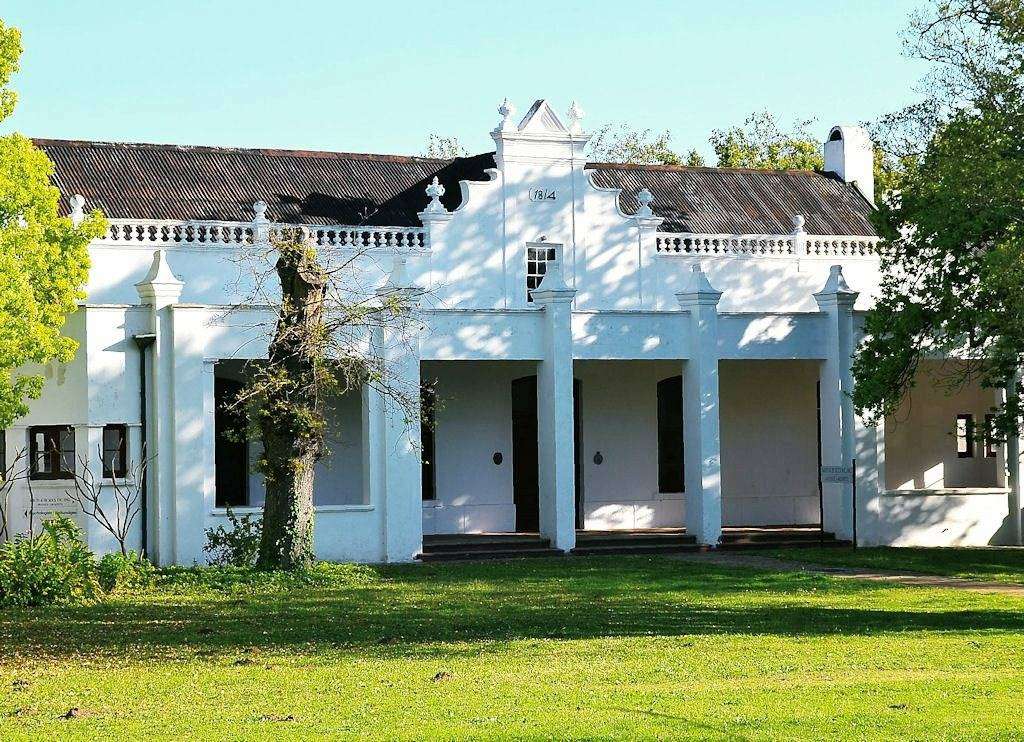
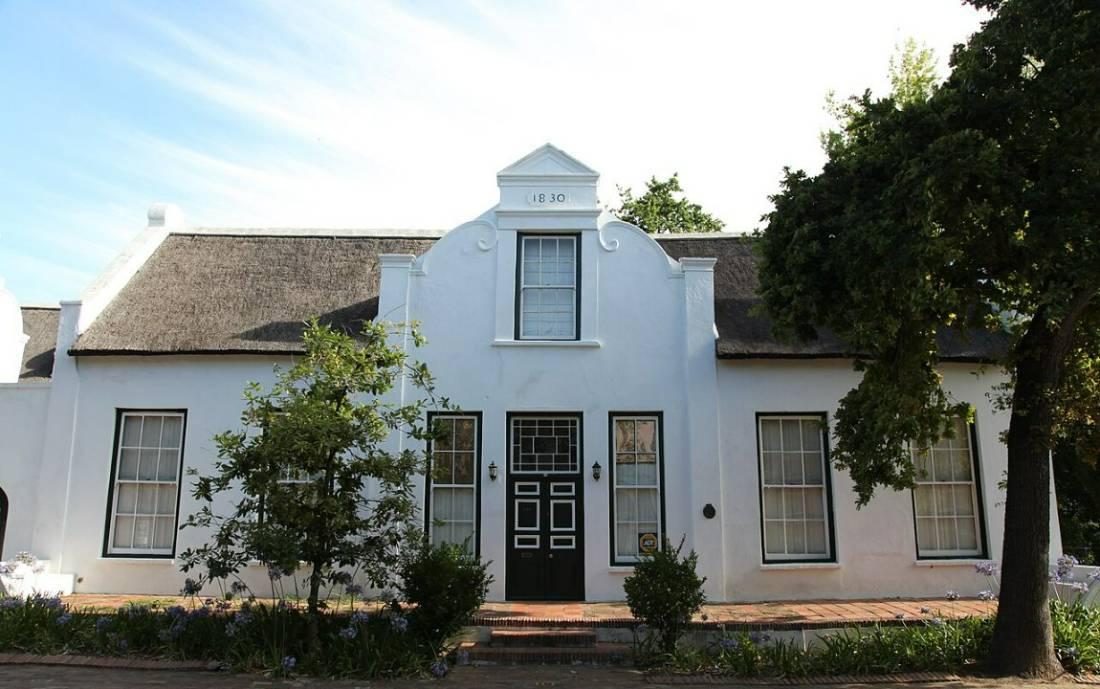
The town itself is a joy to walk. Old oaks arch over the streets, water still runs in the furrows beside the pavements, and whitewashed Cape Dutch houses with their gables line Dorp Street. It is a university town too, so it is always young and lively, with good coffee, good bookshops and some of the best restaurants in the country. And all around it, in every direction, the vineyards climb towards the mountains.
John Sparks
Van der Stel’s bush
In November 1679, Simon van der Stel, the new Dutch governor of the Cape, rode out from the fort in Table Bay to see the country beyond the sandy flats. He camped on an island in the Eerste River, among thick bush, and liked the valley so much that he decided to settle farmers here. He named it after himself: Van der Stel’s bosch, Van der Stel’s bush.
Free burghers were given land along the river, and they planted wheat and vines. Van der Stel had oak trees planted along the streets and on the farms, and before long the place had a second name, the Eikestad, the town of oaks. Huguenot refugees from France arrived in the valleys nearby from 1688 and brought their skill with the vine.
Fire swept through the town in 1710 and again in 1803, and much of what you see today was rebuilt after them, in the Cape Dutch, Georgian and Victorian styles. In 1866 a small school, the Stellenbosch Gymnasium, opened its doors. It grew into Victoria College and, in 1918, into Stellenbosch University, which today gives the town much of its life.
What to look for
Dorp Street
One of the longest rows of historic buildings in the country, under an avenue of old oaks. Halfway along is Oom Samie se Winkel, the old general dealer, one of my favourite shops anywhere in the world.
Die Braak
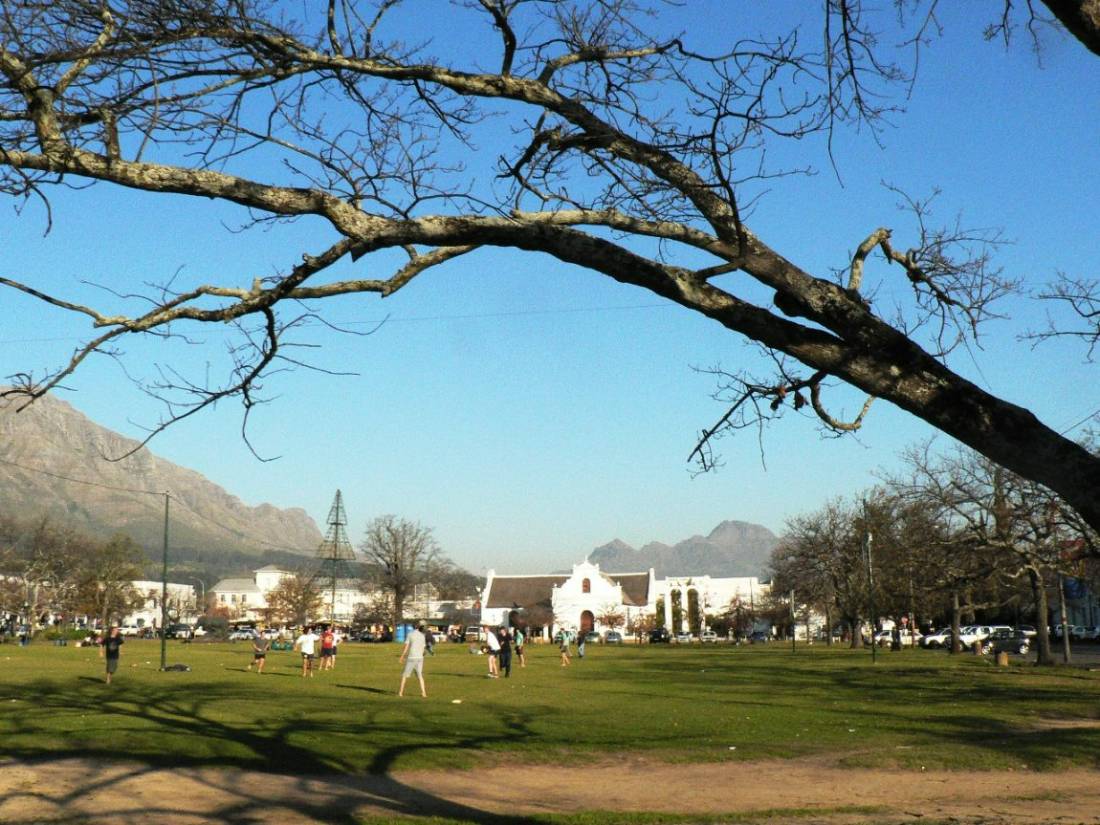
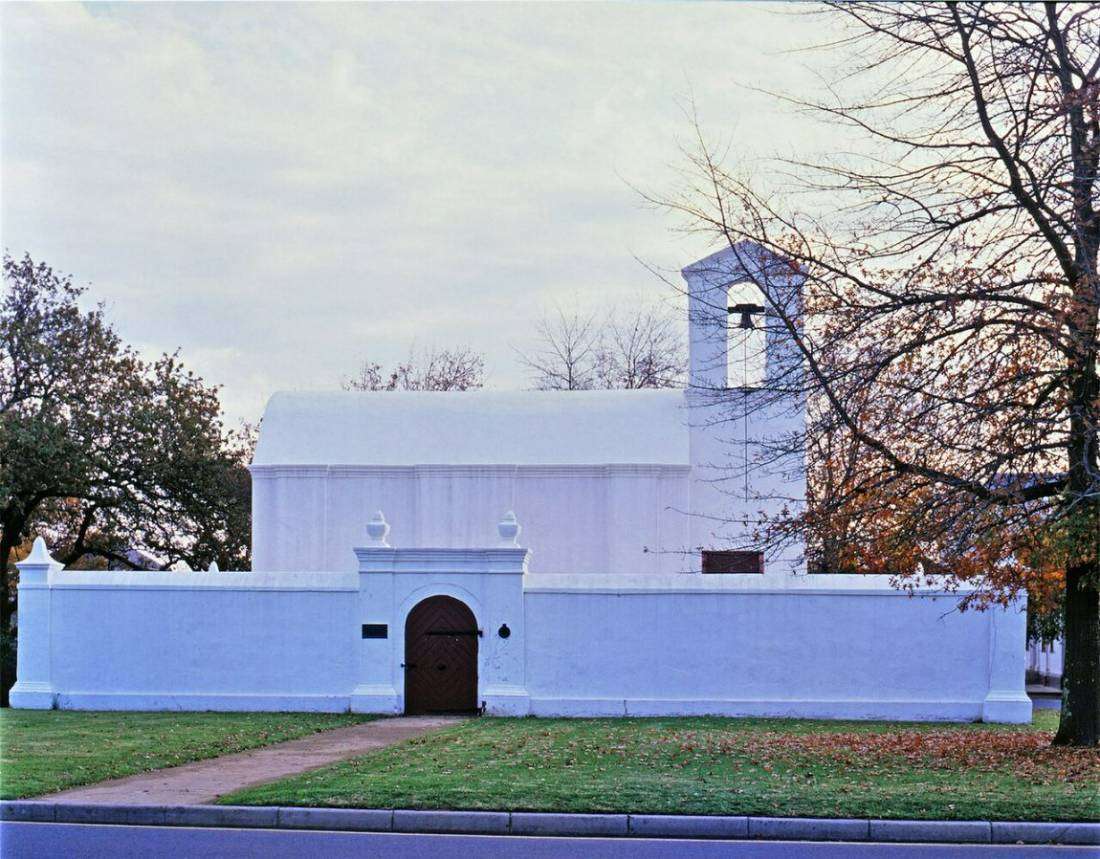
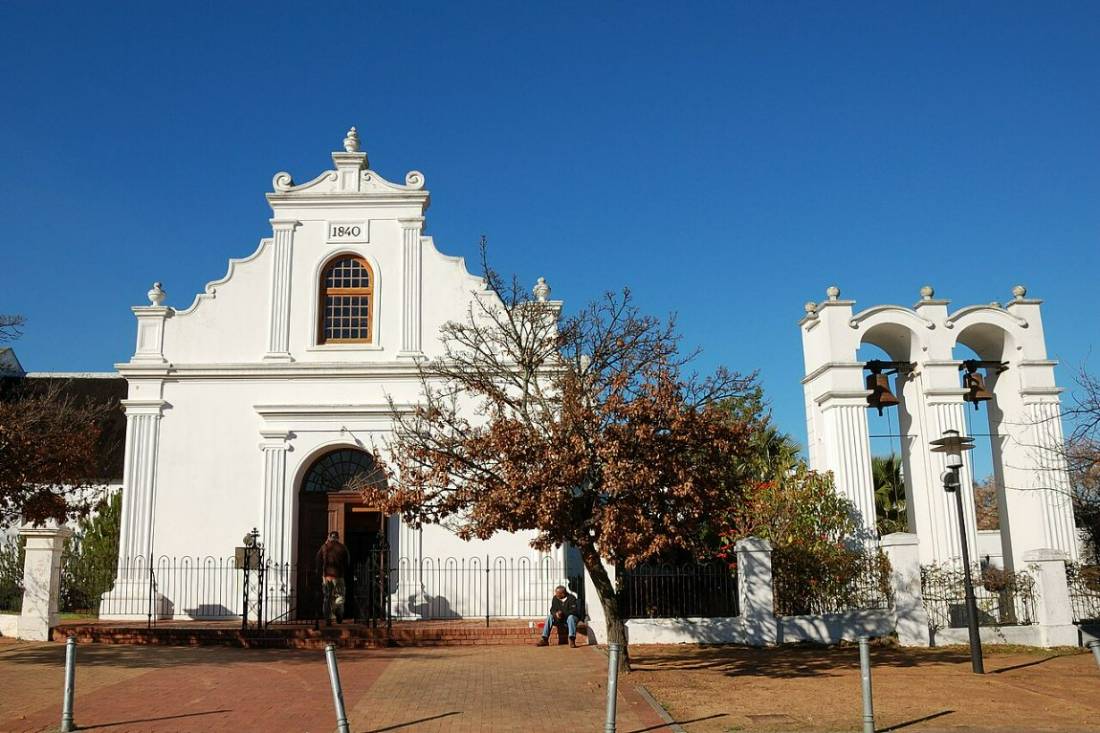
The old village green, once a parade ground. Around it stand the Kruithuis, the Dutch East India Company’s powder magazine of 1777, the Rhenish Church of 1823, St Mary’s and the Burgher House.
The Moederkerk
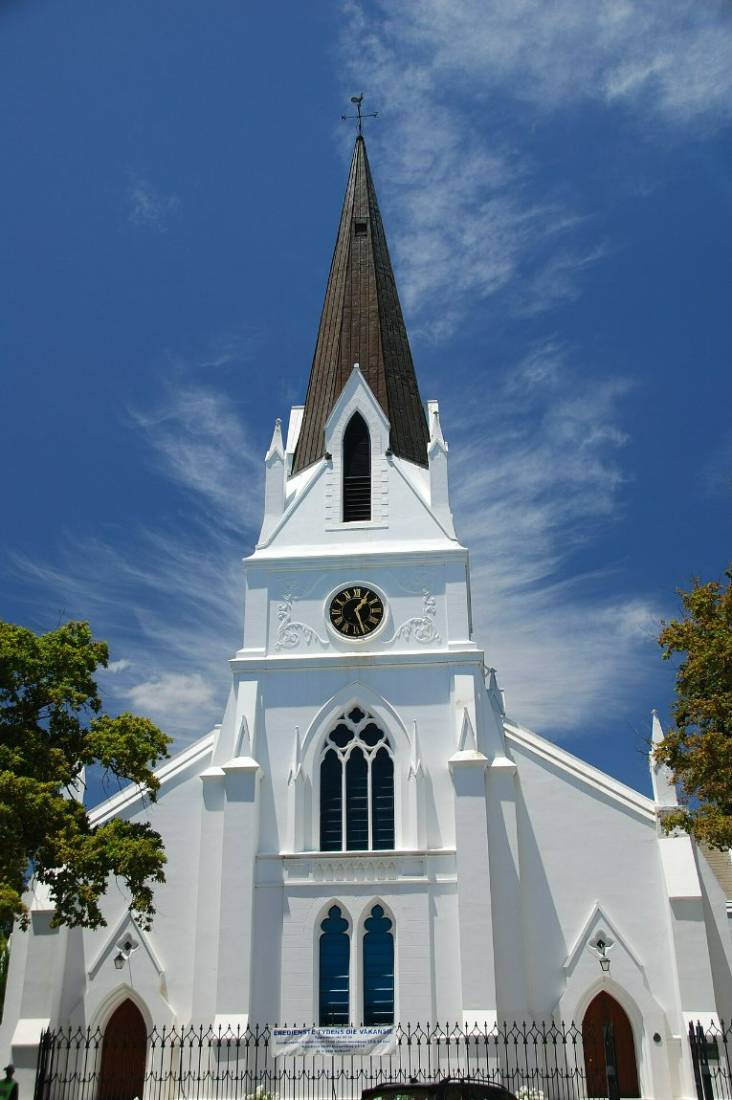
The mother church of the Dutch Reformed congregation, founded in 1686. The present building, with its tall neo-Gothic spire, dates from 1863.
The Village Museum
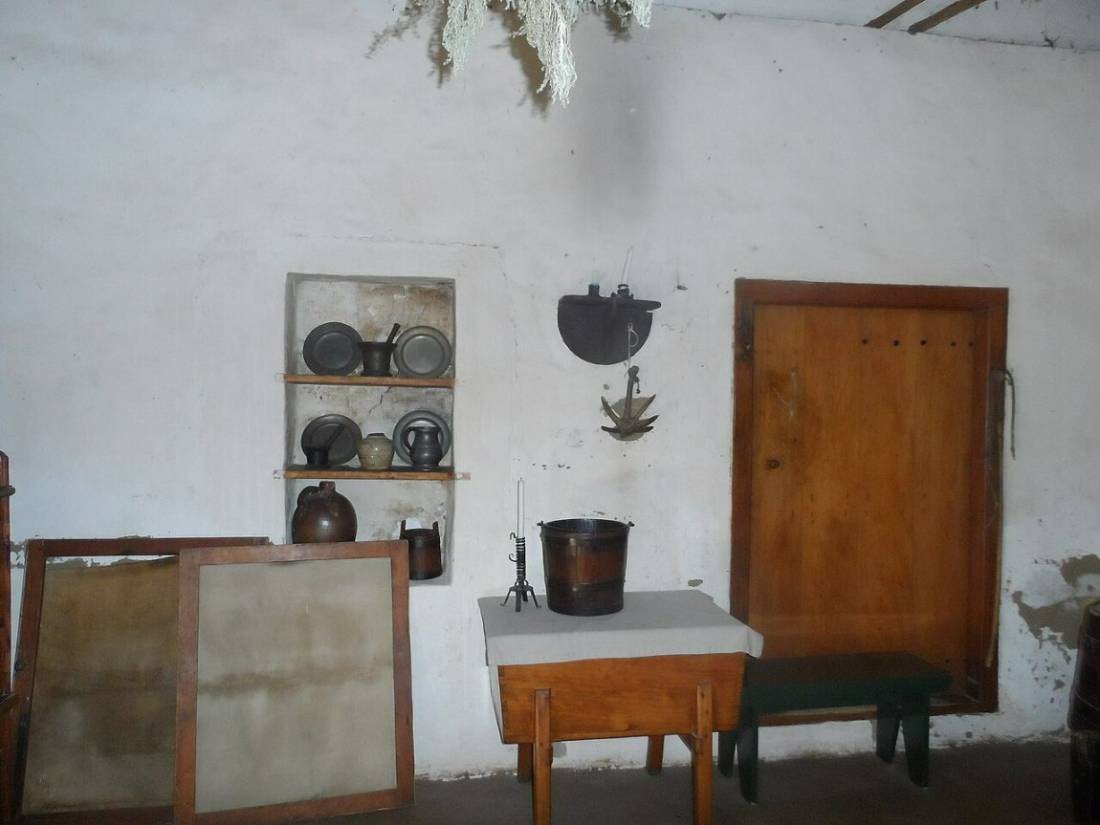
A group of old houses furnished as they would have been in different periods, including Schreuder House, built around 1709 and one of the oldest town houses in the country.
The leiwater
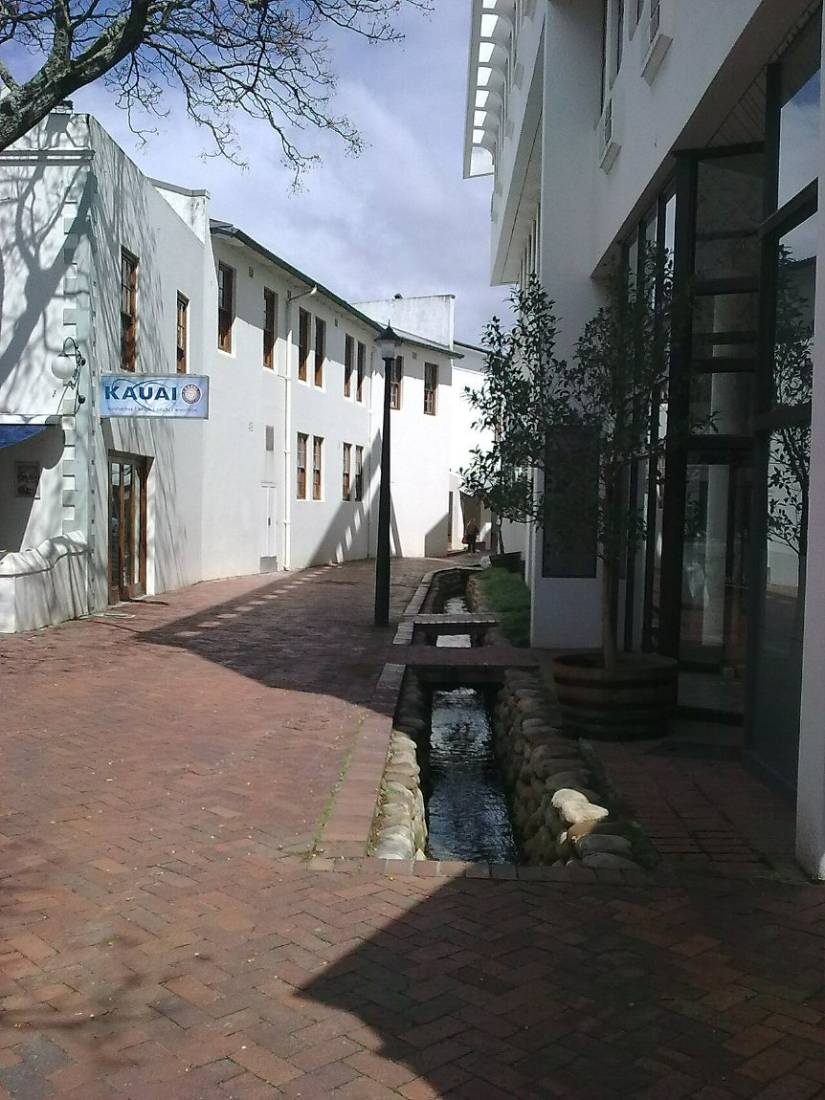
Look down as you walk. Open furrows still run beside many of the streets, part of the old water system that once carried water from the river to the town’s gardens.
The wine
More than a hundred and fifty wine farms lie within easy reach of the town, from grand old estates to small family cellars. Stellenbosch is especially known for its Cabernet Sauvignon, its Chenin Blanc and its Pinotage.
I tell the story of Stellenrust, how it got its name and the day I took a family back to my grandfather’s farm, in chapter 18 of September Tides, “Vines and Stories”. You can read more in the September Tides flip-book.
A day in Stellenbosch, the way I like it
Coffee under the oaks
We start in the middle of town with coffee, before the day warms up and the streets fill.
The Dorp Street walk
A slow walk down Dorp Street, past the old houses and the Theological Seminary, with a stop at Oom Samie se Winkel for Cape spices, rusks and whatever catches your eye.
Die Braak and the museums
Around the village green to the Kruithuis and the Rhenish Church, and into the Village Museum to see how the town lived three hundred years ago.
Out to the farms
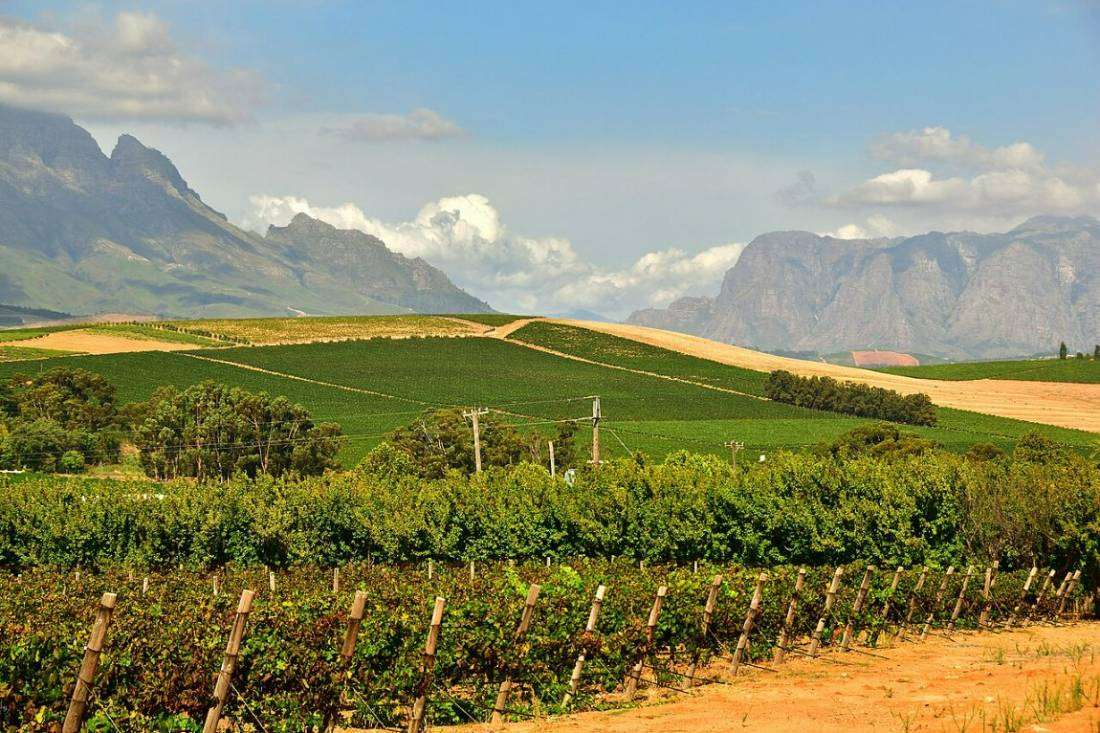
Then out into the vineyards for a tasting or two and lunch on a wine farm, perhaps Rustenberg in Ida’s Valley or Tokara high on the Helshoogte Pass.
The Jonkershoek valley
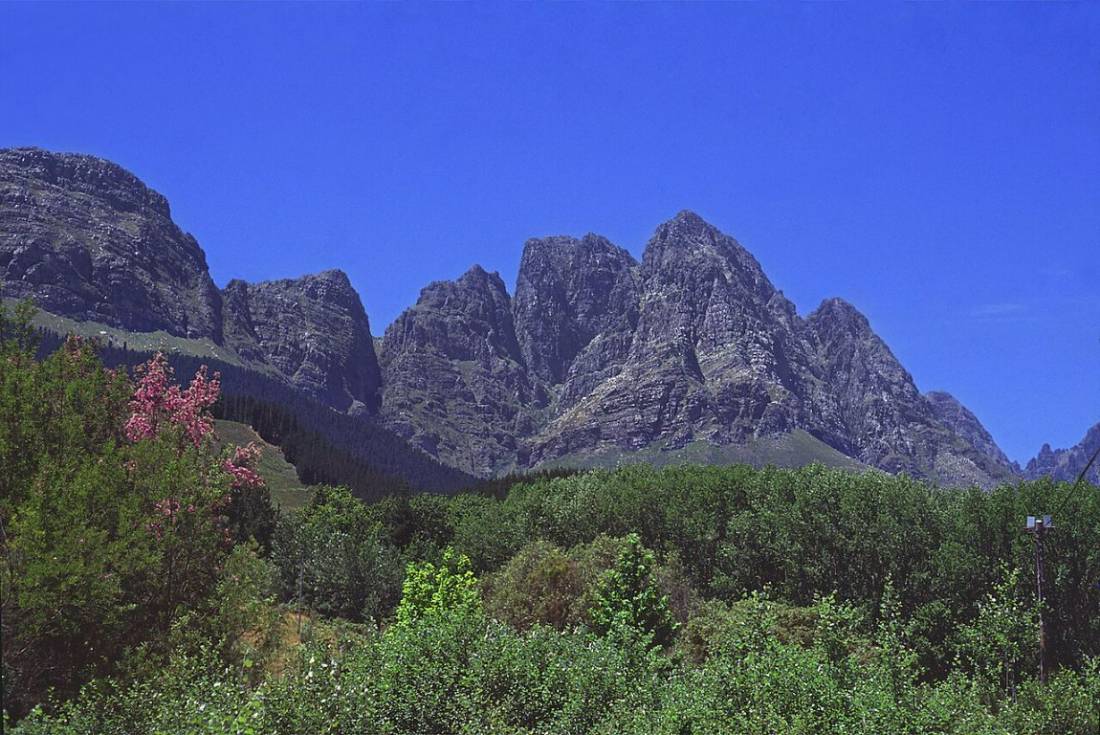
In the late afternoon, a drive into the Jonkershoek valley, where the mountains close in around you and the light turns gold on the peaks.
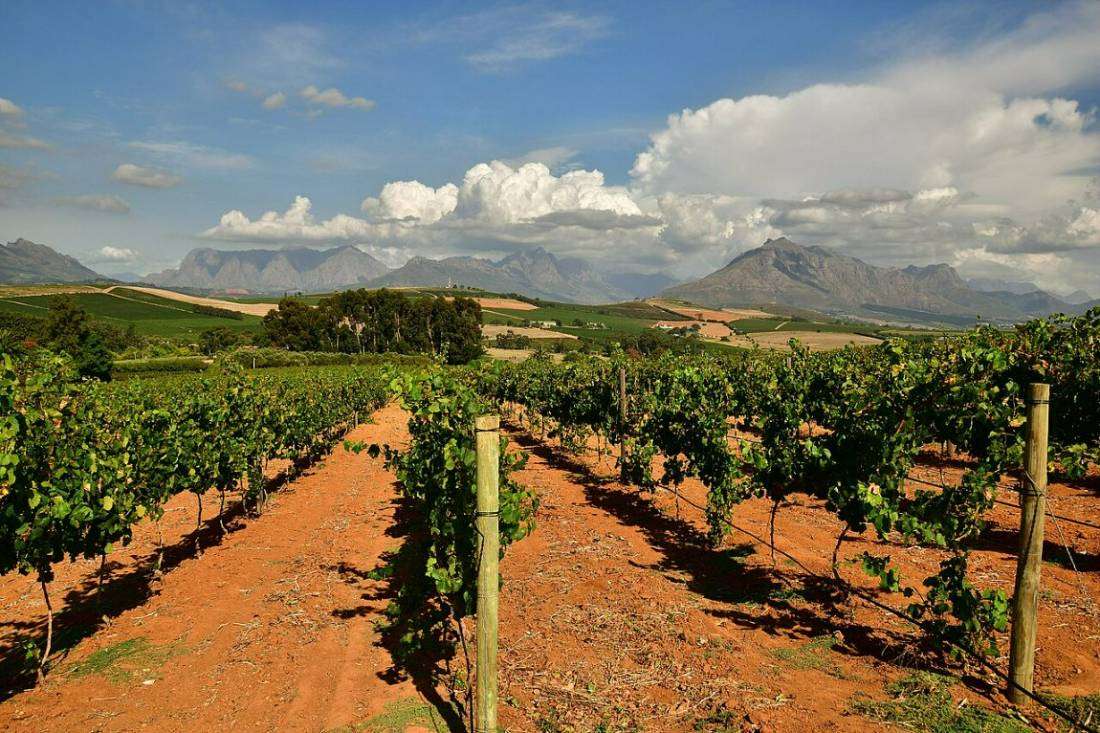
Photographs to keep
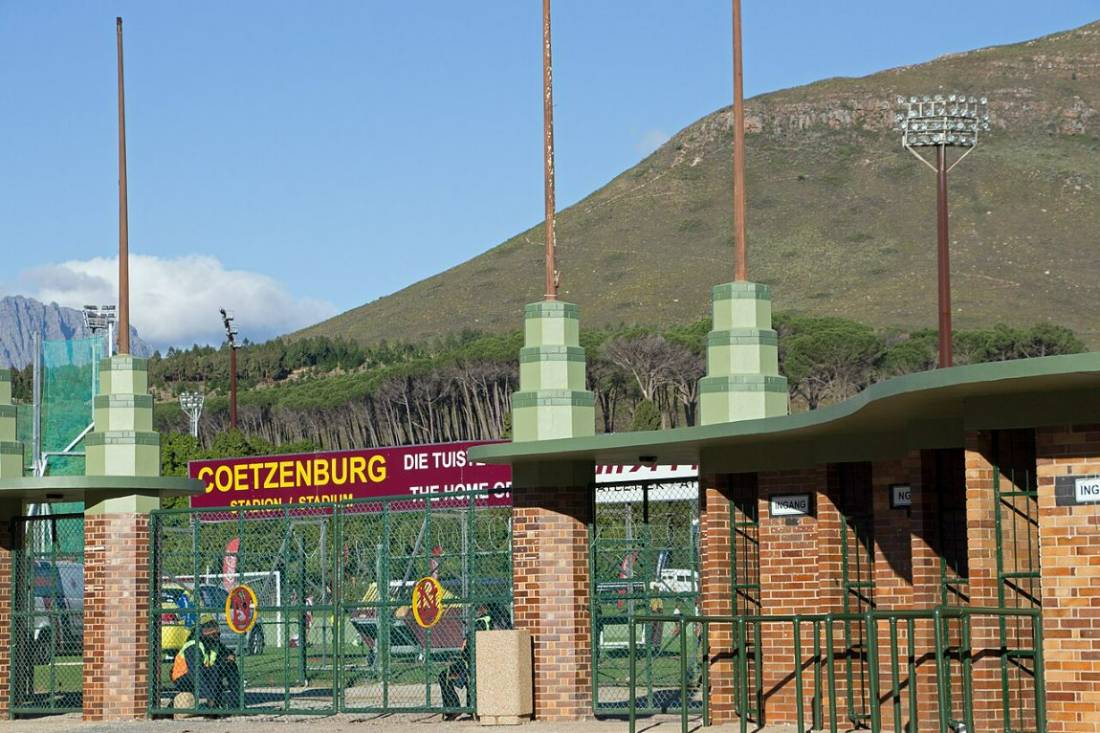
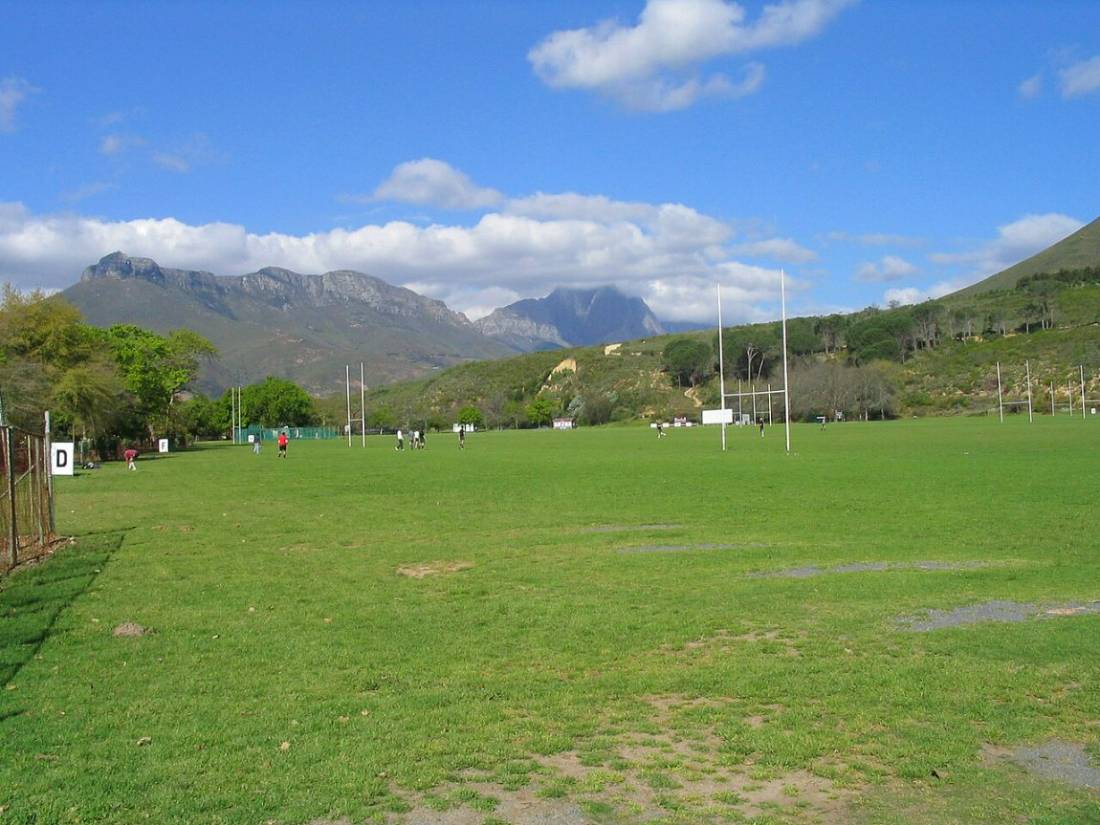
Twenty-nine photographs of Stellenbosch, its streets, churches, mountains and vineyards, to look at large and download.
Open the gallery ↗My great-grandfather named his farm Stellenrust: finding rest in Stellenbosch. My guests still find it here.
Before you go
Where
In the heart of the Cape Winelands, about forty-five minutes’ drive from Cape Town and half an hour from the airport.
When
All year round. Harvest runs from about February to April, when the farms are busy and the air smells of crushed grapes. In autumn the vines turn gold and red, and in spring the oaks come into leaf.
Walking
The old town is small and flat, and best seen on foot. Wear comfortable shoes: some of the old pavements are uneven.
Getting there
We drive you from Cape Town or the airport and take you between the farms, so you can taste freely and leave the roads to us.
Where to stay
A night at Lanzerac at the foot of the Jonkershoek valley, or the quiet of Rosemary Cabin or Klein Frans.
Pairs well with
Rustenberg, lunch at Tokara, an afternoon of wine blending, and Boschendal over the pass.