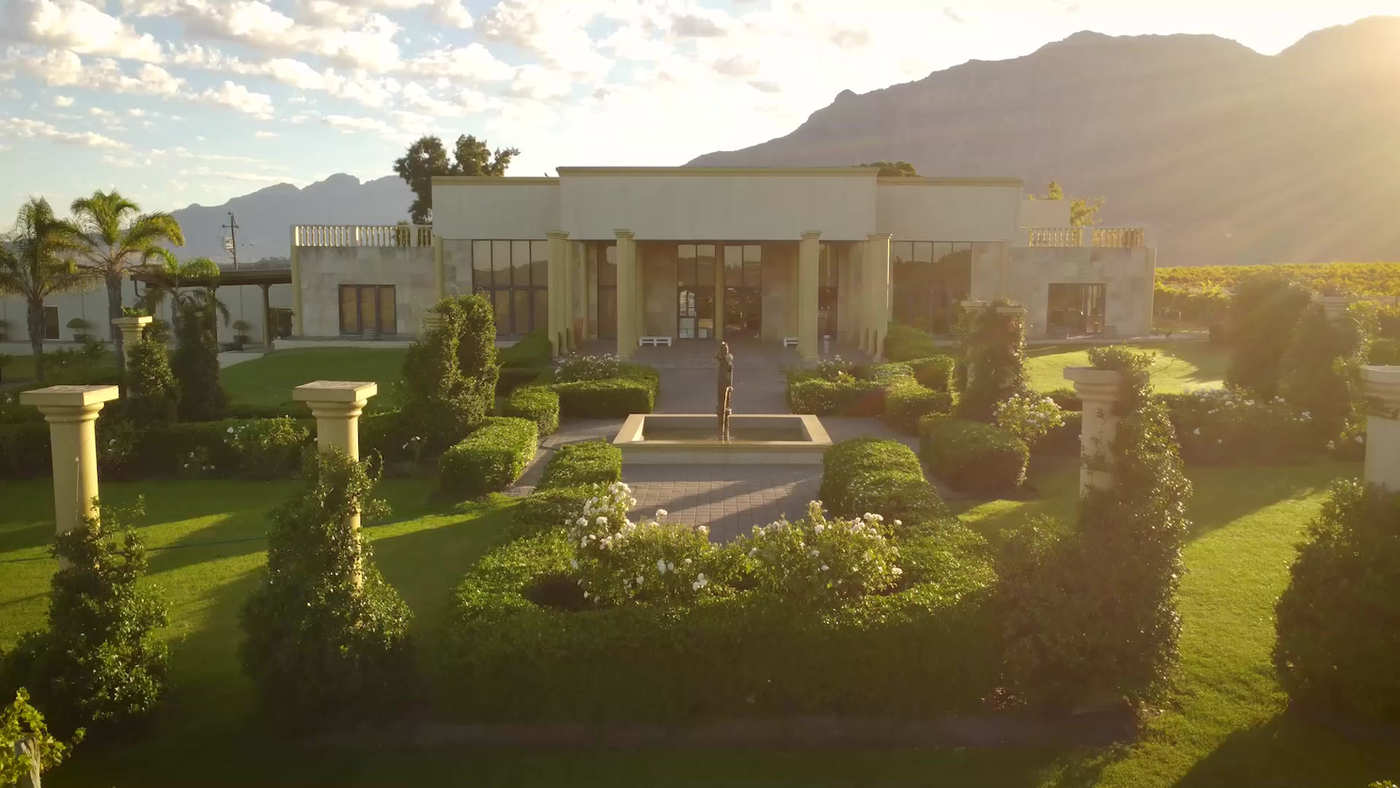
We do not own Stellenrust any more. But I have never stopped thinking of it as home, and there is nowhere in the Winelands I would rather sit a group down to lunch.
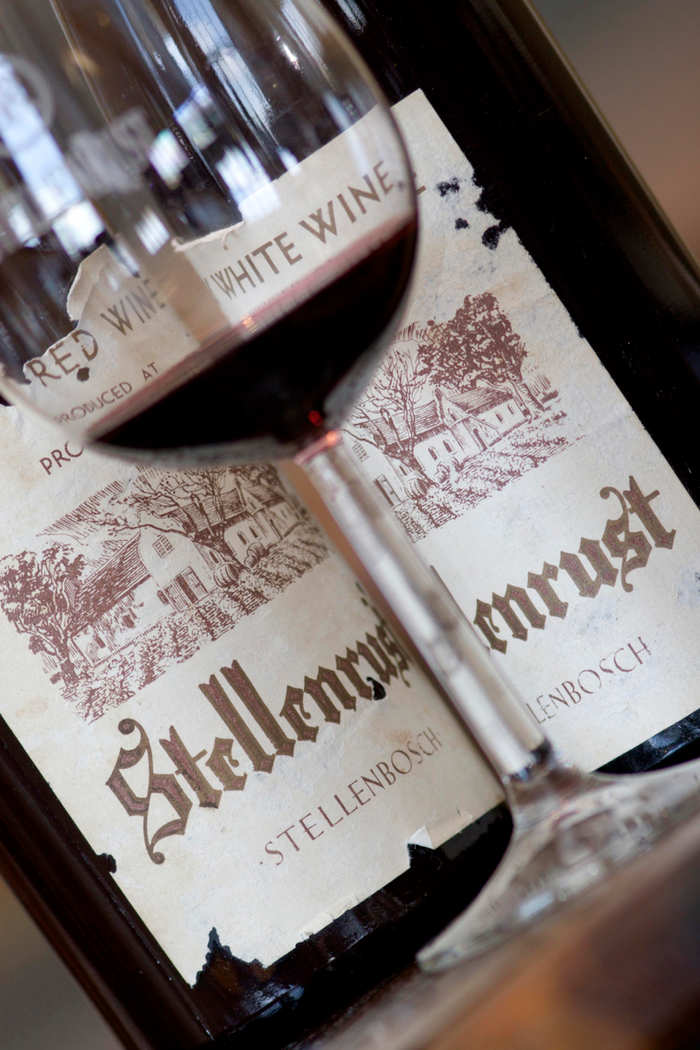
In the late 1920s my great-grandfather, Richard Stuttaford, brought several farms together on the slopes outside Stellenbosch. Across the valley stood another great estate with almost the same name, and the post kept going to the wrong farm. So in 1928 he renamed his: Stellen from Stellenbosch, and rust, which means rest. Stellenrust. Finding rest in Stellenbosch.
My mother grew up on the upper part of the farm. As children we swam in the river pool, and when I was sixteen and running races at the athletics stadium in town, this is where I came to rest between them. Waterford, one of the best-known estates in the valley today, stands on land that was once part of it. The family sold the farm about fifteen years ago, and it is in good hands now, but the name he chose is still on every bottle.
So when I bring guests here for lunch, it is not a restaurant booking. It is me taking you back to my family’s farm.
John Sparks
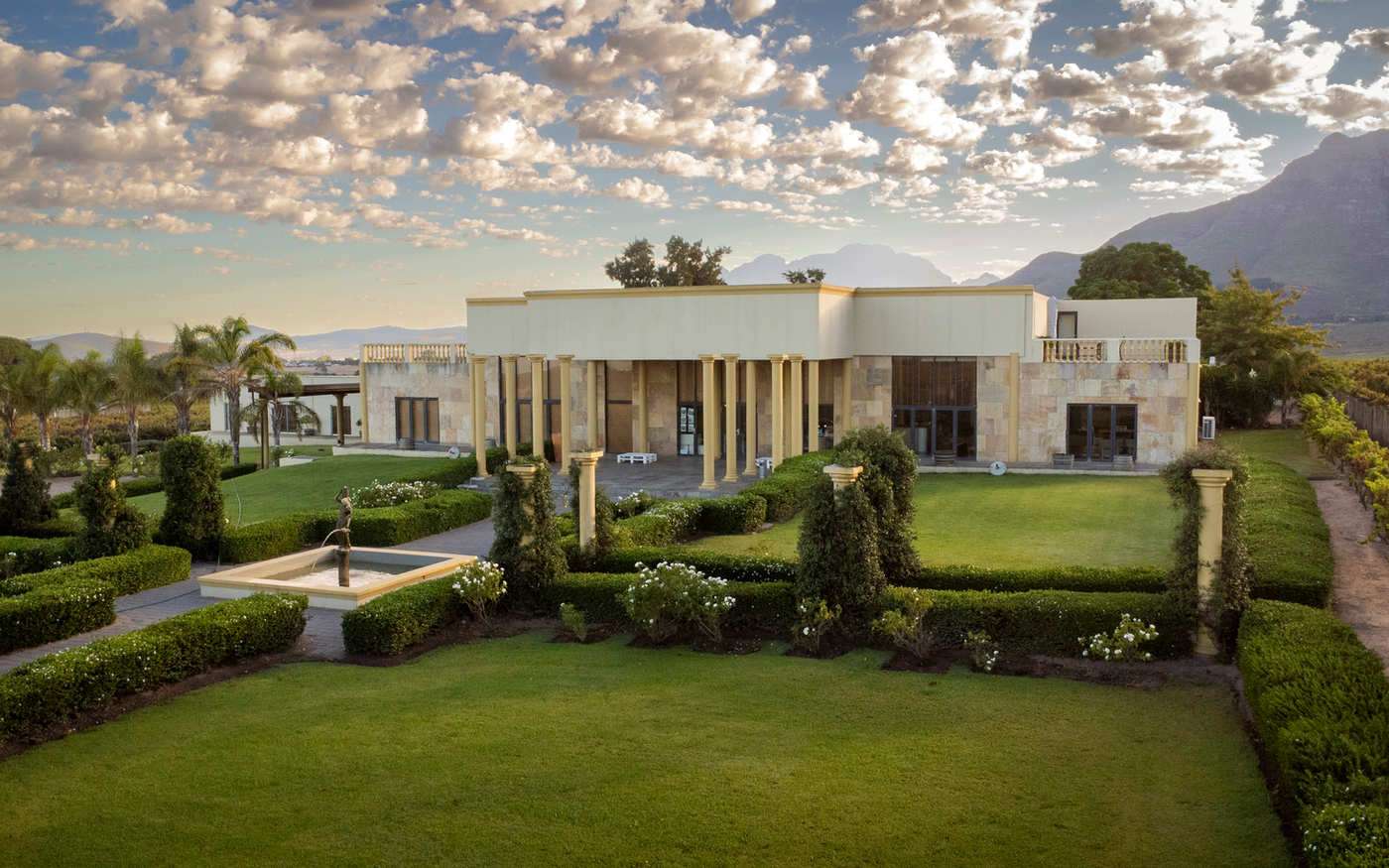
A long table, and the whole valley
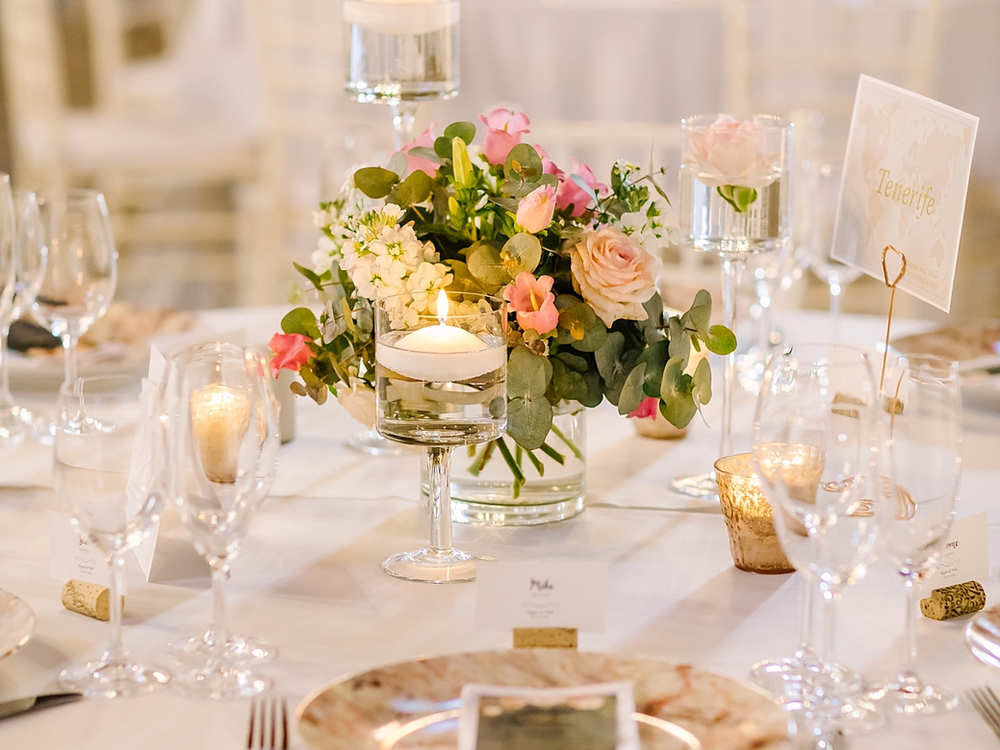
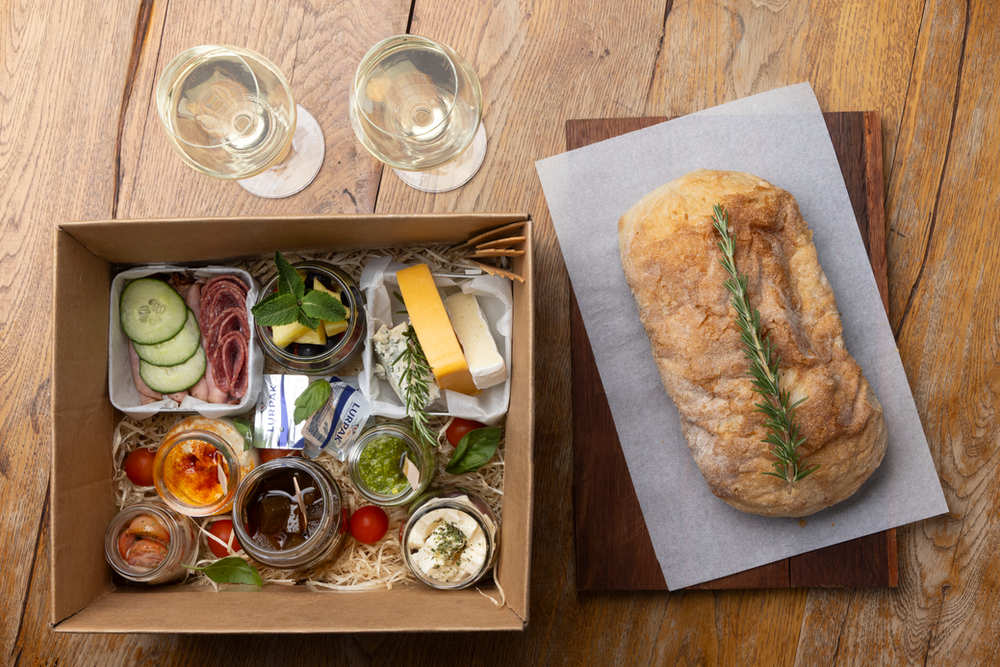
For a group we take the estate privately for lunch. On a fine day the table is laid in the garden under the umbrellas; if the wind is up, we move into the hall, under a reed ceiling and great iron chandeliers, with Table Mountain on the horizon through the windows.
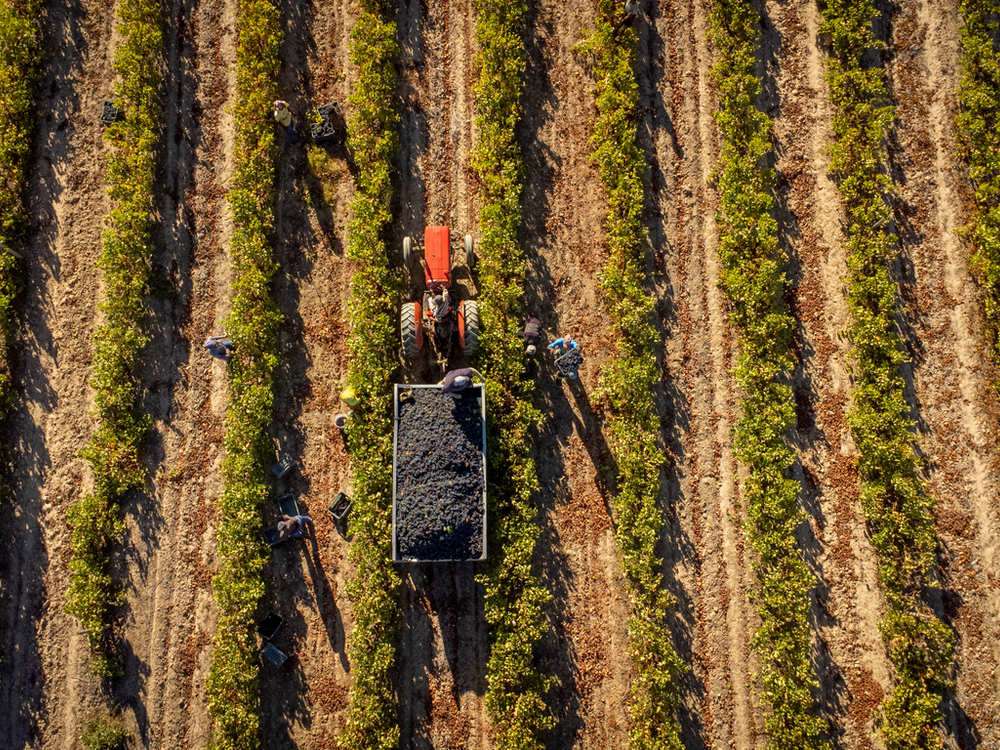
The food is Cape country cooking, made for sharing and set down in the middle of the table, and the estate’s own wines are poured alongside: the Chenin Blanc from the old bush vines first, and then the Shiraz, which is what Stellenrust is best known for. Nobody hurries. In February the harvest is in full swing, the tractors are coming in from the vineyards and the whole farm smells of new wine.
At some point over lunch I will tell you the story of the name, and of the farm across the valley that caused it all. By the time the coffee comes, you will know this place the way I do.
“Land moves through other people’s hands, but the rooms where your mother laughed and the trees she looked at in the mornings never really belong to anyone else.”
I tell the story of Stellenrust in chapter 18 of September Tides, “Vines and Stories”: the day I took a family back to my grandfather’s farm, where my mother grew up, and how a farm across the valley gave ours its name. Read chapter 18.
Good to know
Where
Off the R44 between Stellenbosch and Somerset West, at the end of a long, tree-lined farm road, about forty-five minutes from Cape Town.
Two kinds of ground
Half the vineyards lie on decomposed granite in the Golden Triangle below the Helderberg, red wine country; the other half on the sandy clay of the Bottelary Hills, cooled by the afternoon breeze off the sea.
The wines
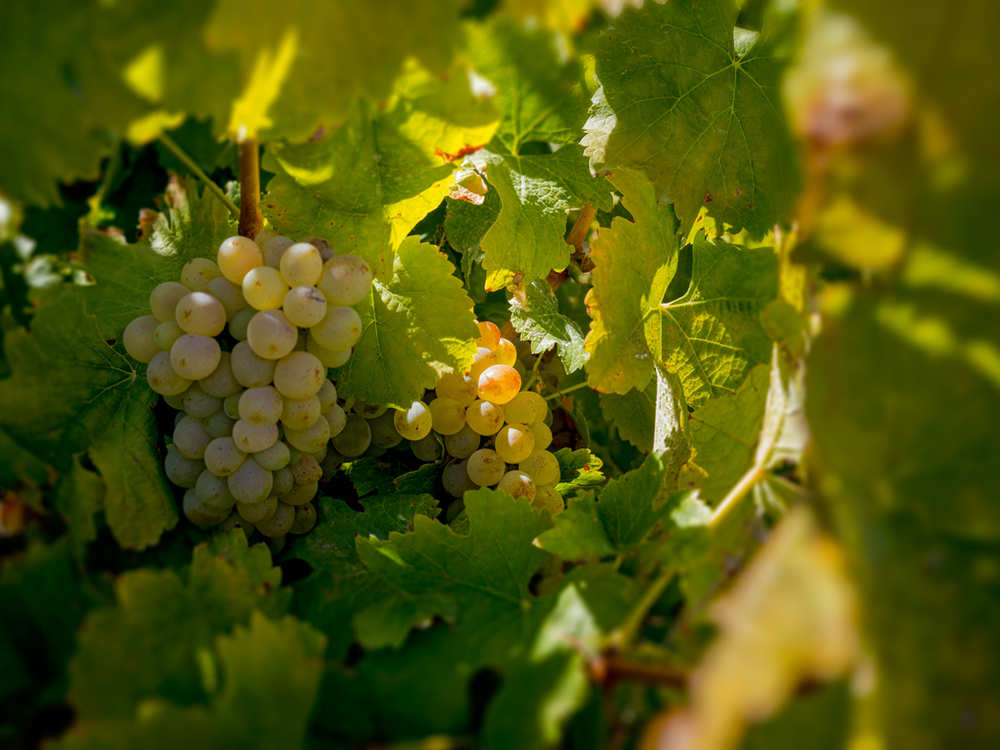
Chenin Blanc and Shiraz above all, including Chenin from single vineyards of old bush vines, some more than fifty years old.
The people
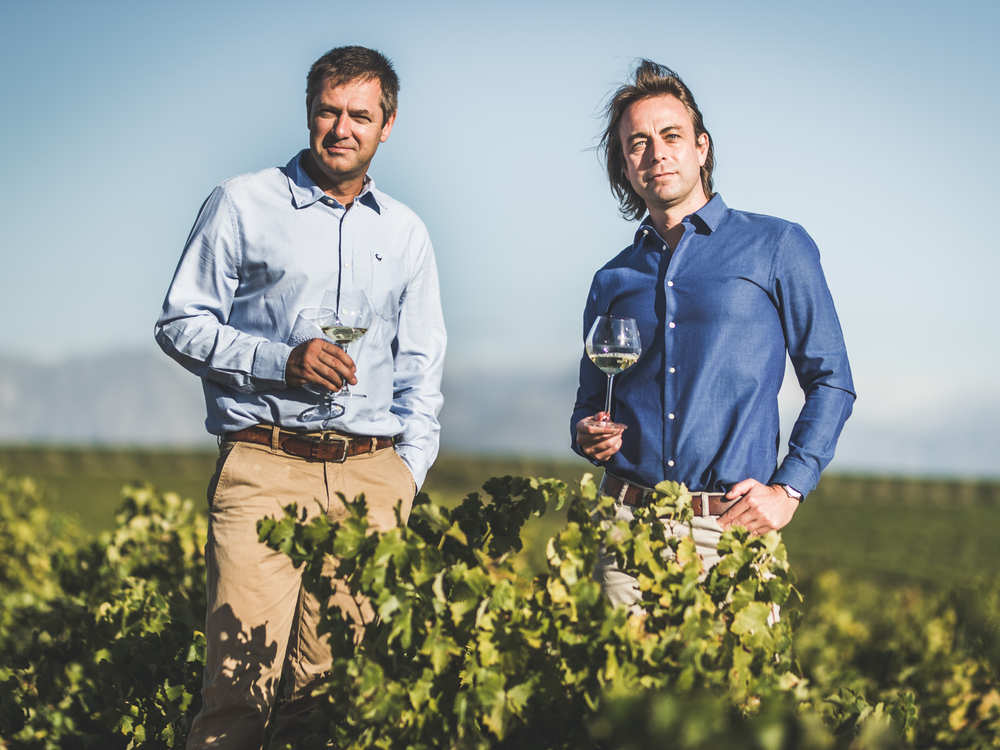
Today the farm is run by Kobie van der Westhuizen and Tertius Boshoff. It is Fairtrade certified, and seventy-two of the people who work the land share in it, through one of the largest empowerment projects in South African wine.
For groups
Lunch is arranged privately for our group, in the garden or the hall, and fitted into a day in the Winelands. We drive you there and back, so everyone can enjoy the wine.
Pairs well with
The Art of the Blend in the morning, and an afternoon across the valley at Rustenberg, the farm whose name started it all.
My great-grandfather named it for rest. It is still the place I come back to.