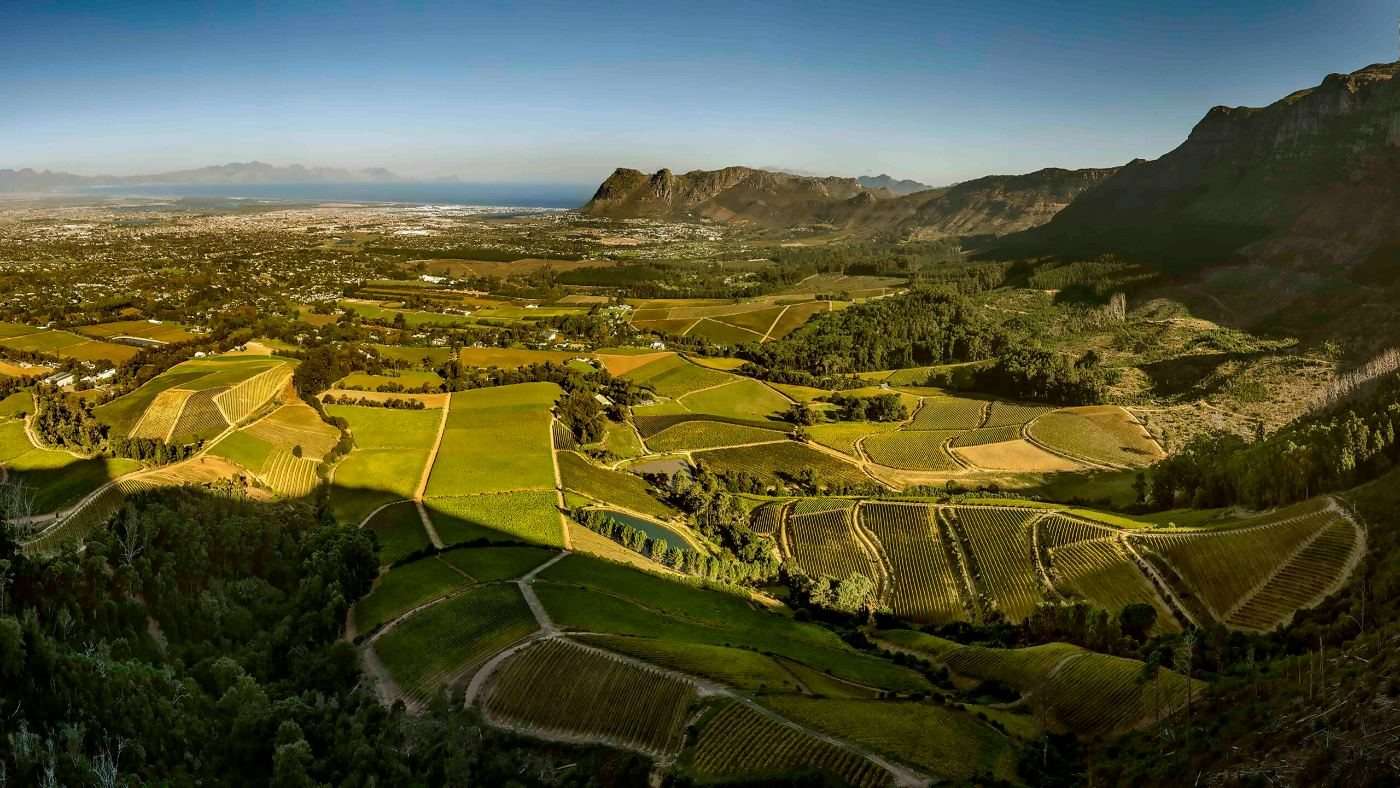
From the age of eight until I was sixteen, I lived on the edge of Klein Constantia. These vineyards were the view from home, and the gravel roads between the Constantia estates were where I trained, morning after morning.
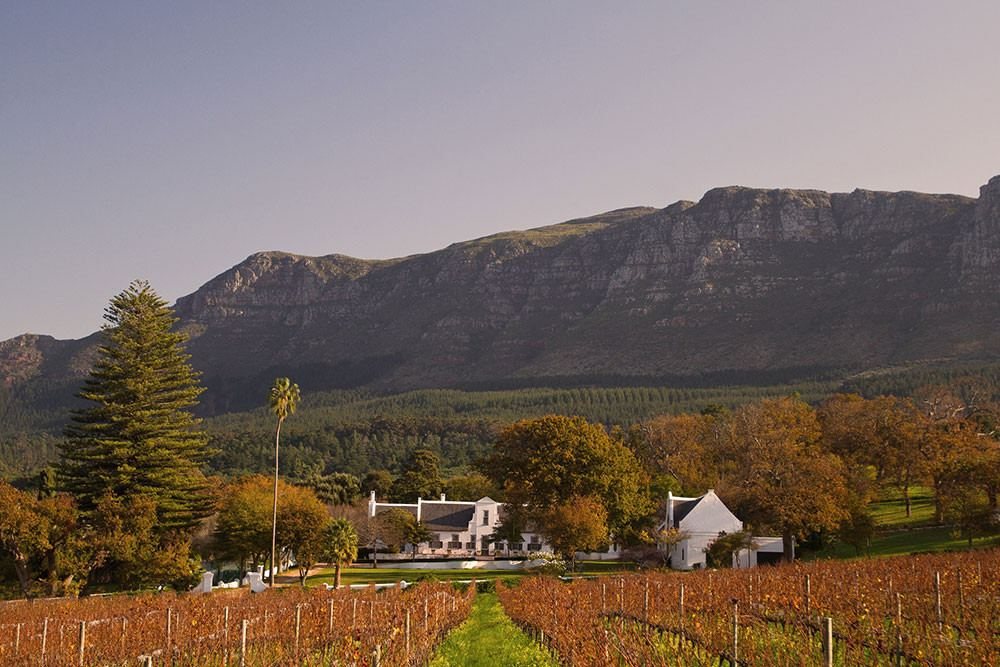
So when I bring guests here, I am bringing them to my old neighbourhood. Klein Constantia sits higher up the Constantiaberg than its neighbours, among ancient trees, with the vines falling away below you towards False Bay. The air is cooler up here, the sea breeze comes in every afternoon, and that is exactly why the wines are so fresh and so long-lived.
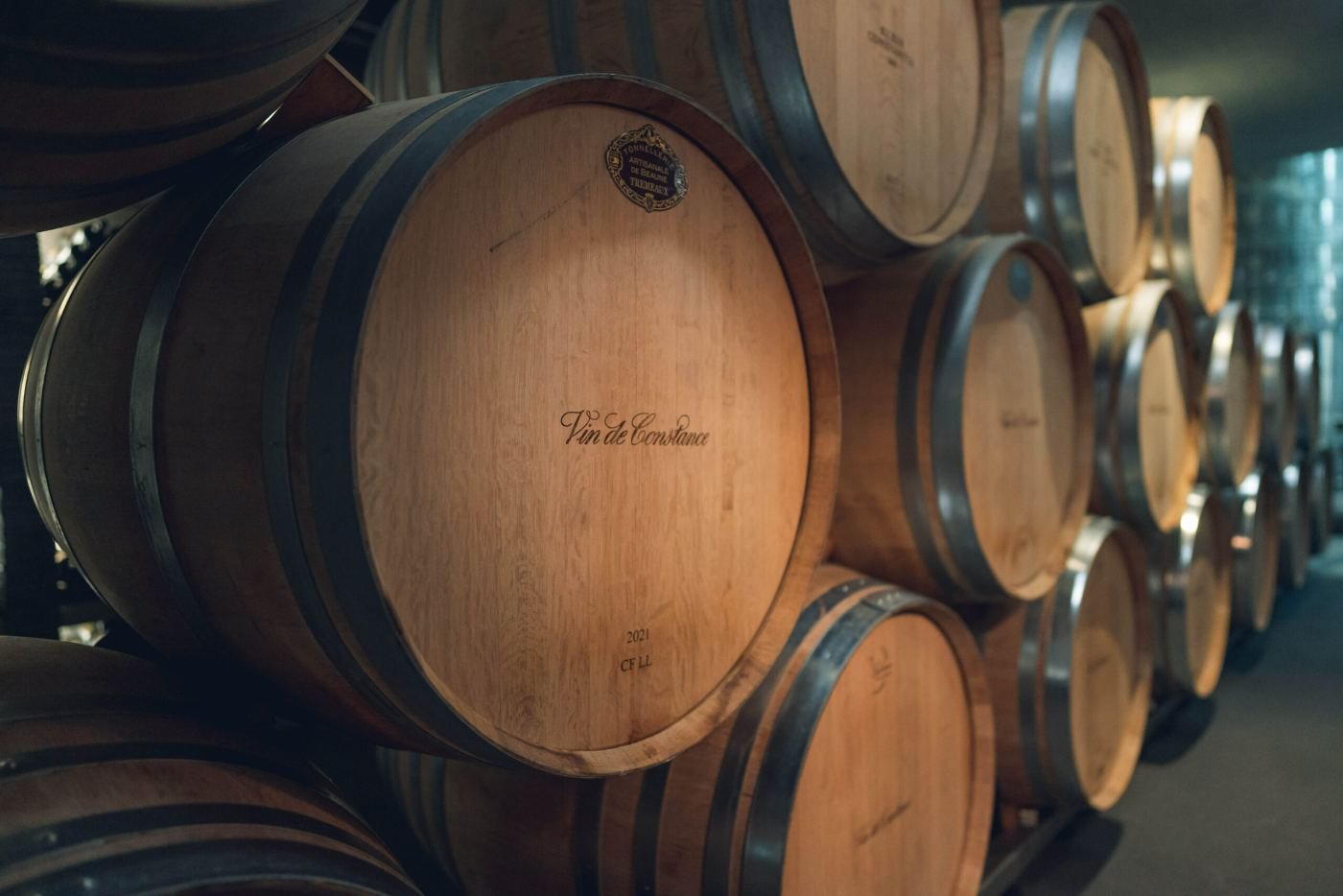
It is also the home of one of the most famous wines in history. Vin de Constance, the sweet wine of Constantia, was poured for Napoleon in exile and written into the pages of Jane Austen and Charles Dickens. To sit in the tasting room and taste it, with the vineyards it came from outside the window, is something very special.
John Sparks
The wine that crossed the world
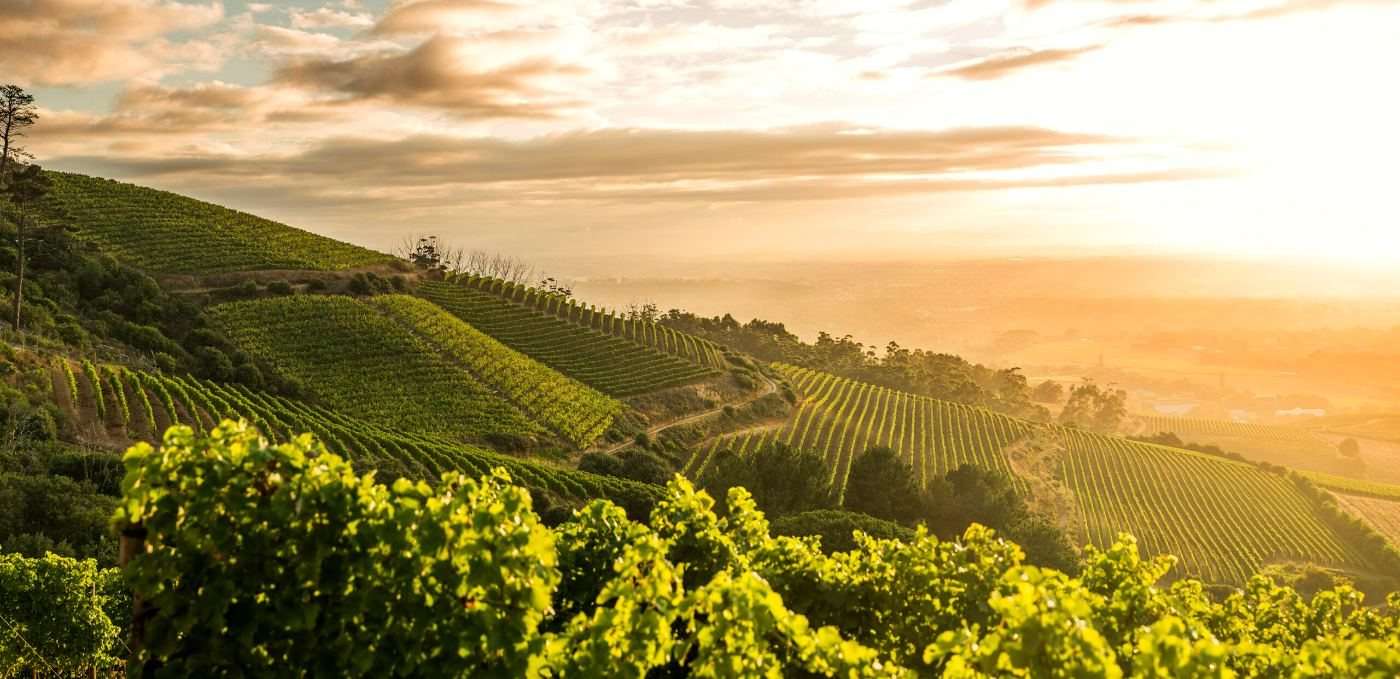
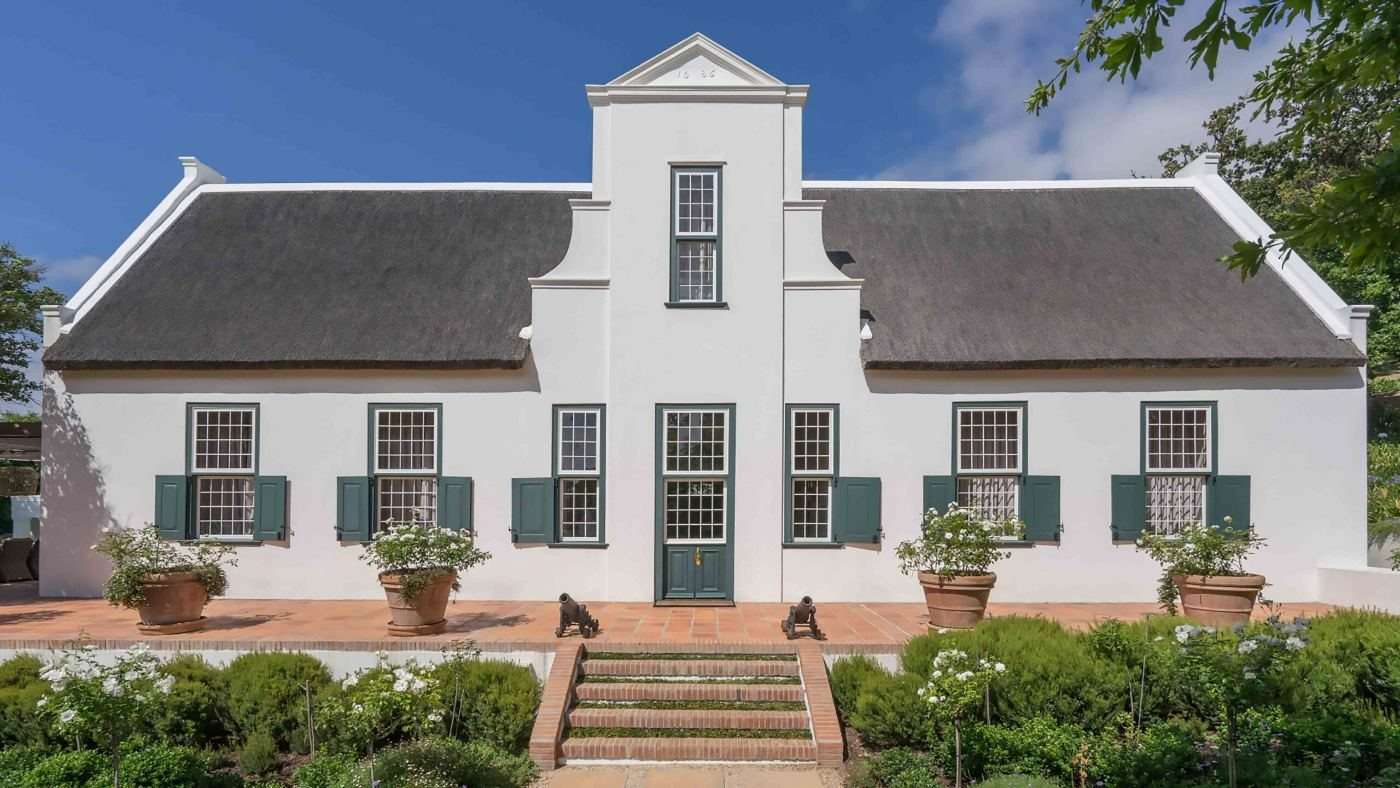
In 1685 Simon van der Stel, Governor of the Cape, chose these slopes for his own farm. He called it Constantia, and he planted vines in the decomposed granite soil, cooled by the breeze off False Bay. After his death in 1712 the great estate was divided, and one part of it became Klein Constantia, “little Constantia”.
In the eighteenth and nineteenth centuries the sweet wine of Constantia became one of the most sought-after wines in the world. It was shipped to the courts of Europe. Napoleon had it sent to him on St Helena during his exile. Jane Austen wrote of its healing powers, and Dickens and Baudelaire put it into their books. Then the vine disease phylloxera swept through the Cape vineyards at the end of the nineteenth century, and for a hundred years the wine was gone.
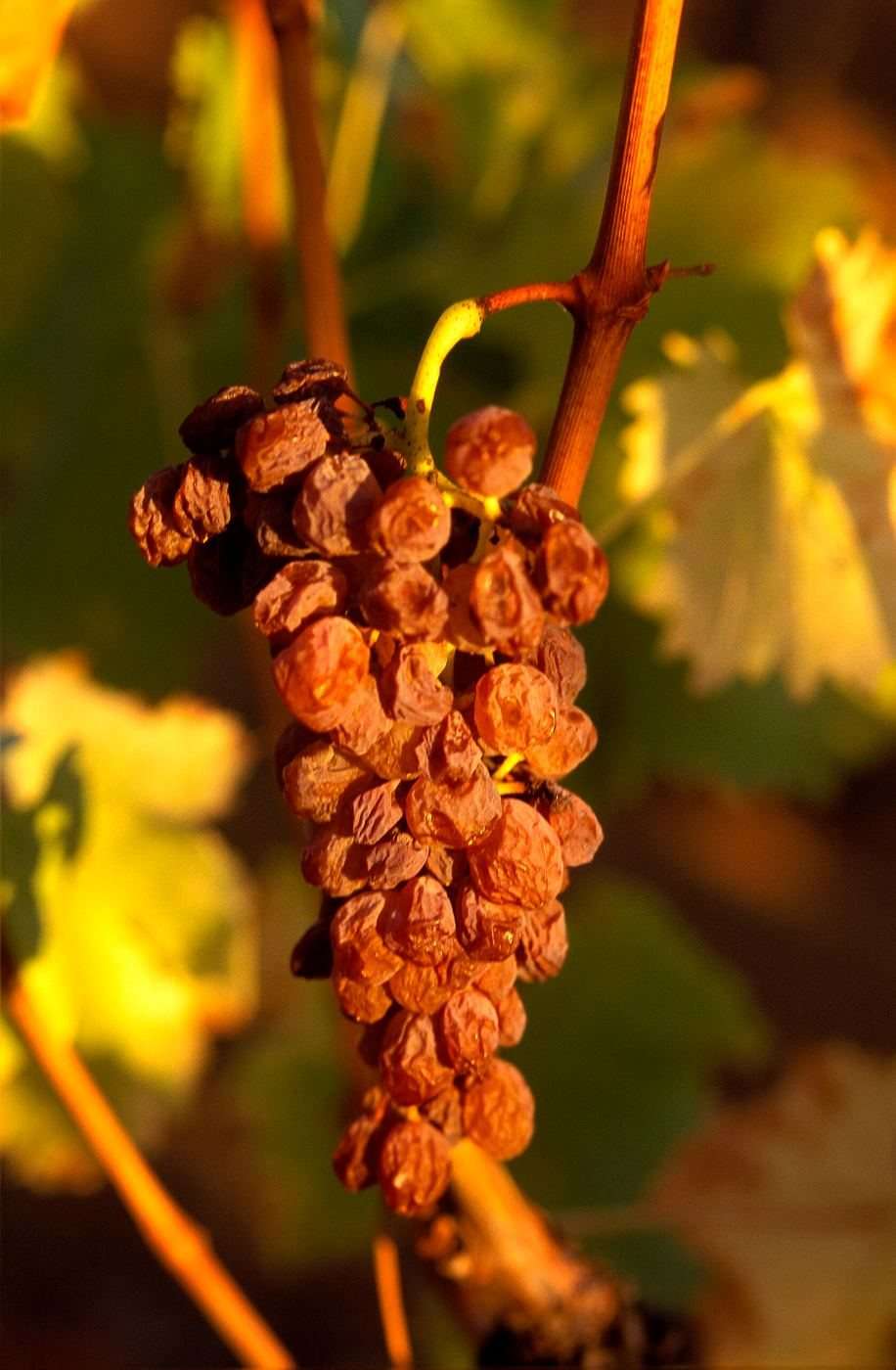
The revival began in 1980, when Duggie Jooste bought Klein Constantia and set about bringing it back to life, with the winemaker Ross Gower, the architect Gawie Fagan and Professor Chris Orffer. Before long Vin de Constance was being made again, from Muscat de Frontignan grapes left to shrivel on the vine, just as it was centuries ago. Today it is once again counted among the great sweet wines of the world.
Since 2011 the estate has been owned by Zdenek Bakala and Charles Harman, joined by the Bordeaux winemakers Hubert de Boüard and Bruno Prats. The winemaker is Matthew Day, only the third since the revival.
More than a tasting
A cool-climate site
The vineyards climb from 70 to 343 metres, on decomposed granite, cooled by the breezes of False Bay. That is what gives the wines their freshness, especially the Sauvignon Blanc, for which the estate is famous.
Make it your own
In a private session, you can choose the colour of the wax seal on a bottle of Vin de Constance and have your initials applied by hand. It is a lovely keepsake to take home, or to give.
A farm that cares for its land
Klein Constantia is a WWF Conservation Champion, inside the Cape Floral Kingdom. They look after the indigenous Grootbos forest, farm with as little intervention as possible, and run on solar energy.
Two farms, two reds
Klein Constantia is twinned with Anwilka in Stellenbosch, and a red wine tasting puts the cool-climate red of Constantia beside the warmer Stellenbosch style, so you can taste the difference for yourself.
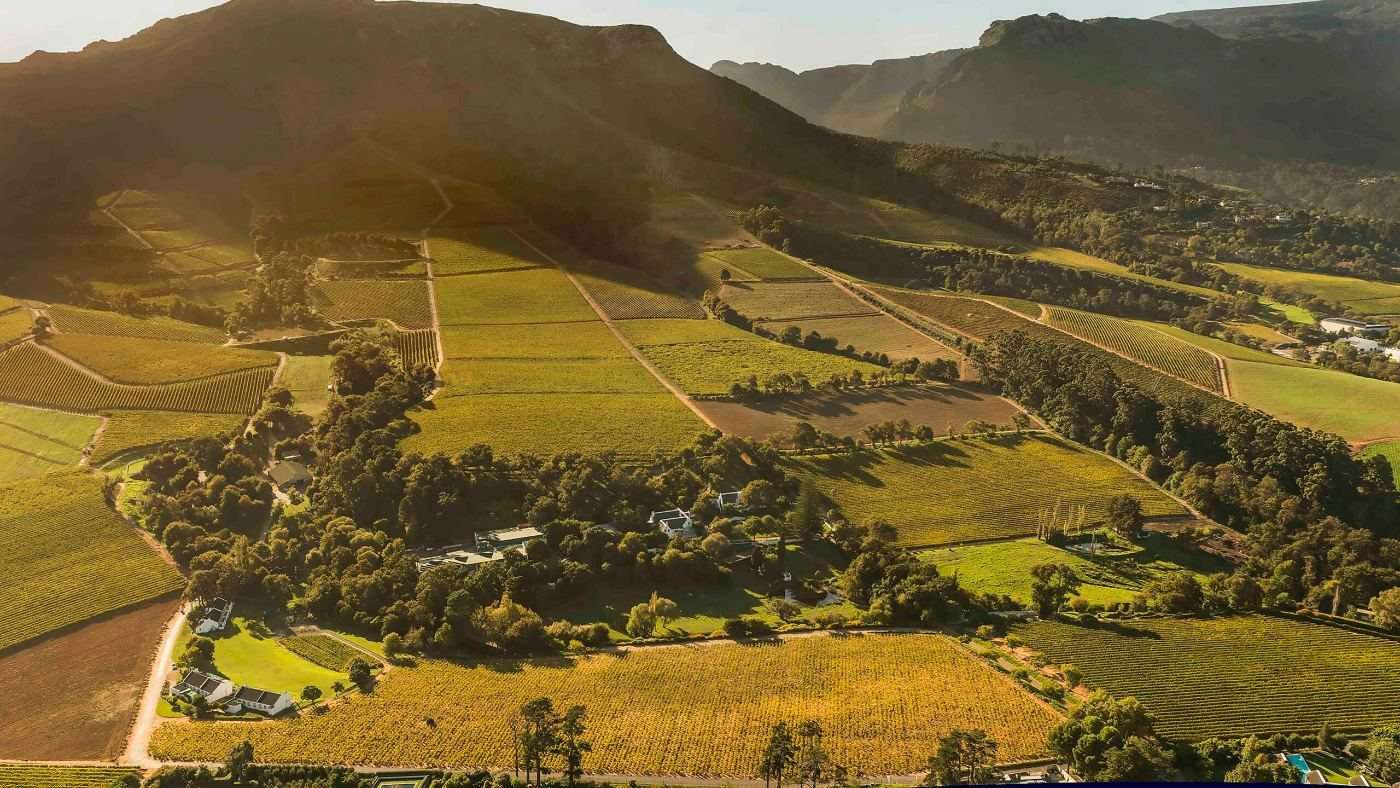
Klein Constantia, the way I like it
Up the old roads
We drive up Klein Constantia Road, past the neighbouring farms and along the gravel roads where I used to train, and up through the trees to the estate near the top of the valley.
The tasting
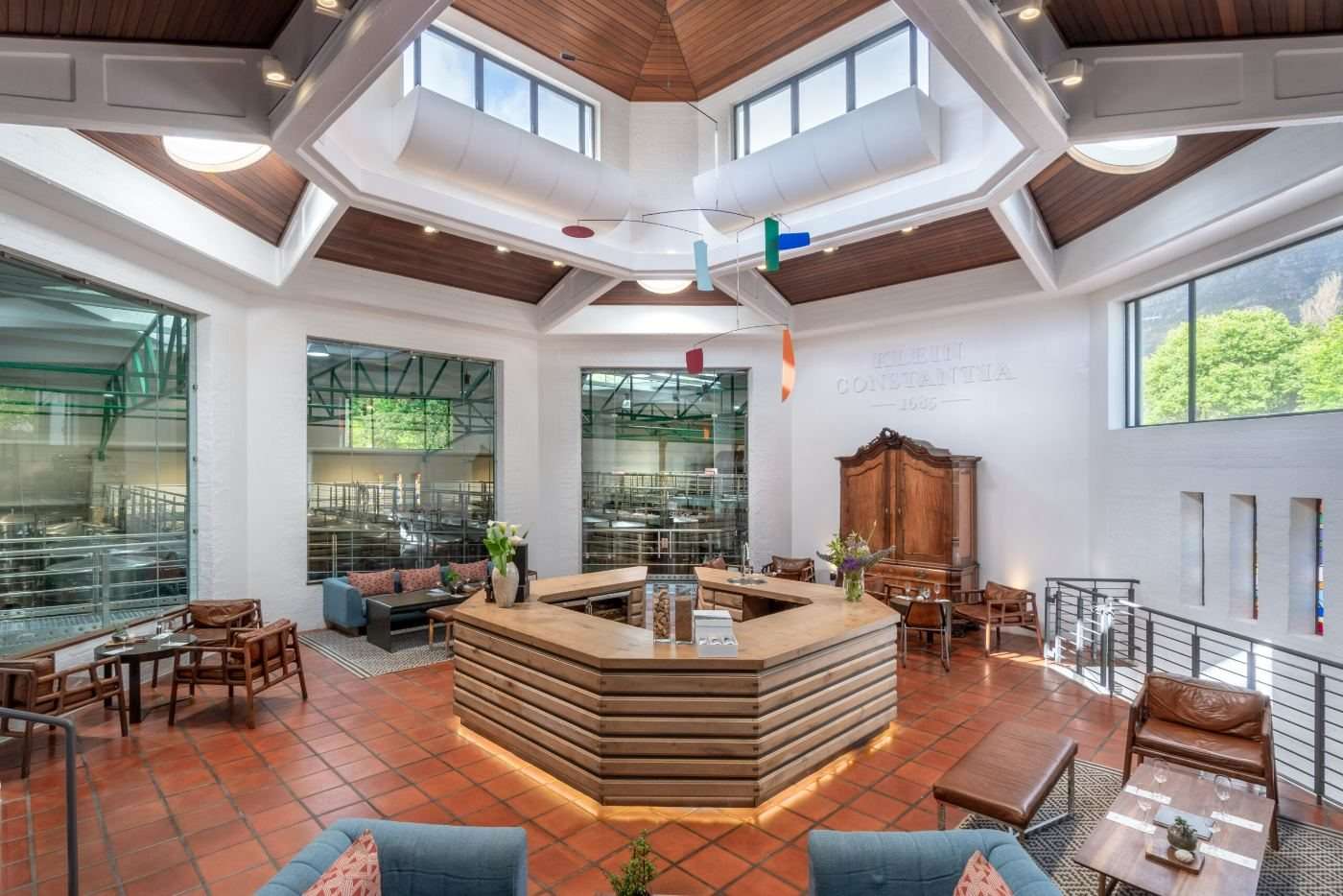
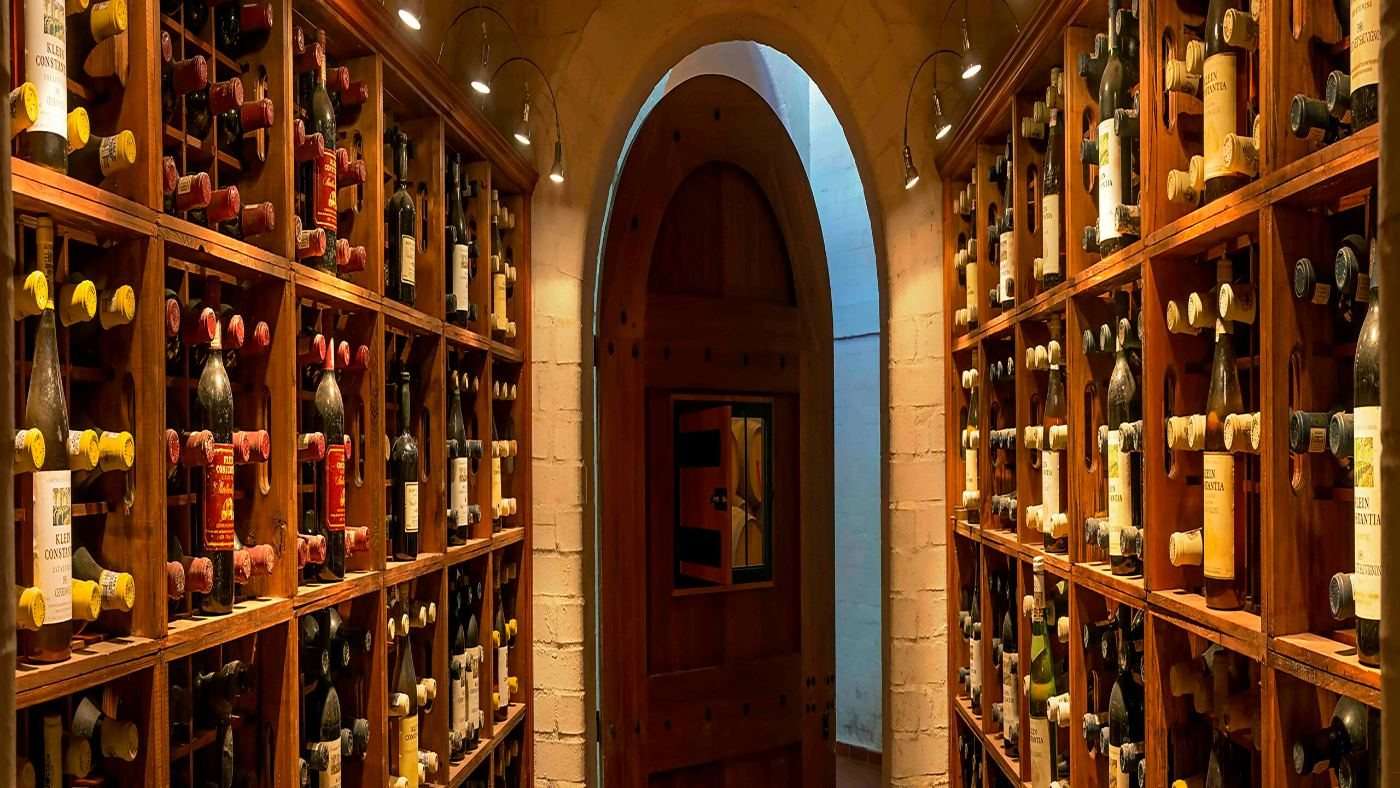
A private tasting in the tasting room, booked ahead, with the estate wines and Vin de Constance. If you love sweet wine, the Vin de Constance experience is a vertical tasting of three vintages side by side.
Your own bottle
If you would like to take a bottle home, we can have it sealed and initialled for you while you watch.
Lunch
A long lunch on the Bistro terrace among the trees, with country cooking made to go with the wines, or we carry on to one of the other Constantia estates.
The valley
Constantia is small and the farms are close together, so it is easy to add a second estate, a walk among the vines, or a drive over Constantia Nek to Hout Bay and the Atlantic.
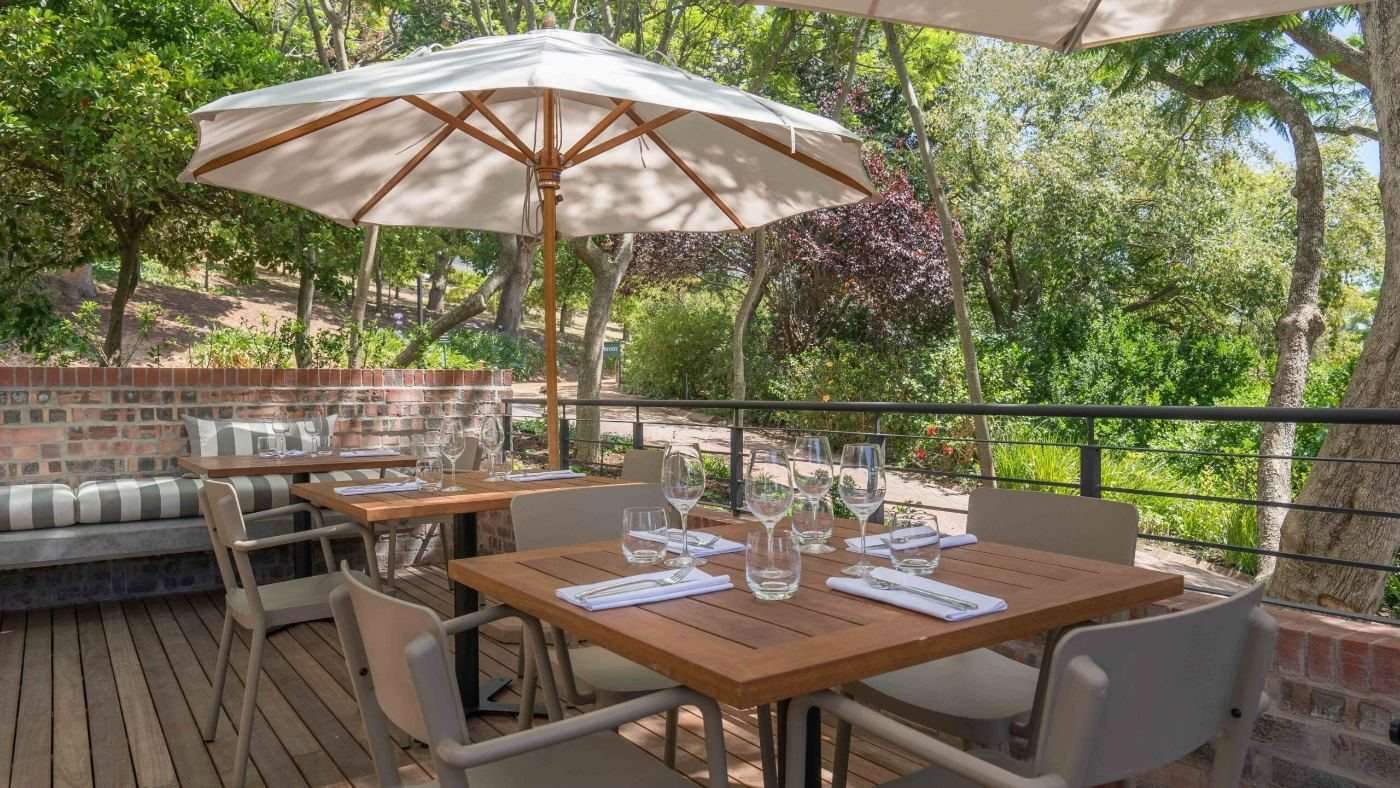
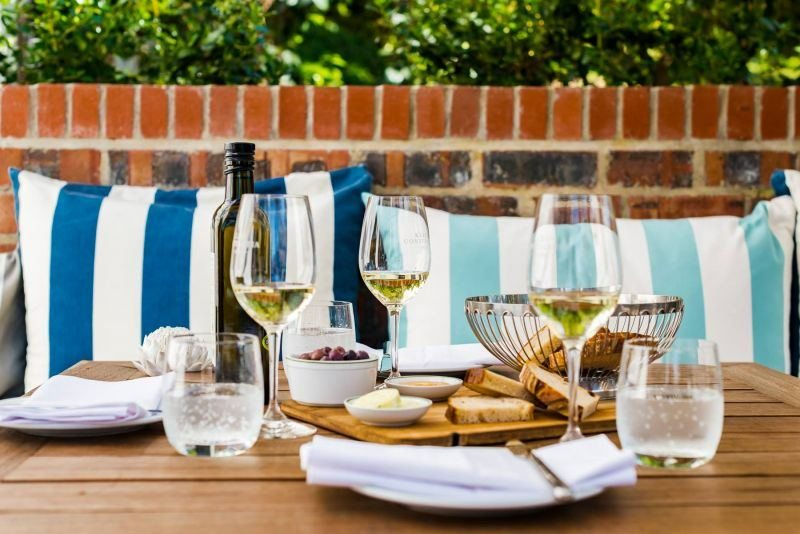
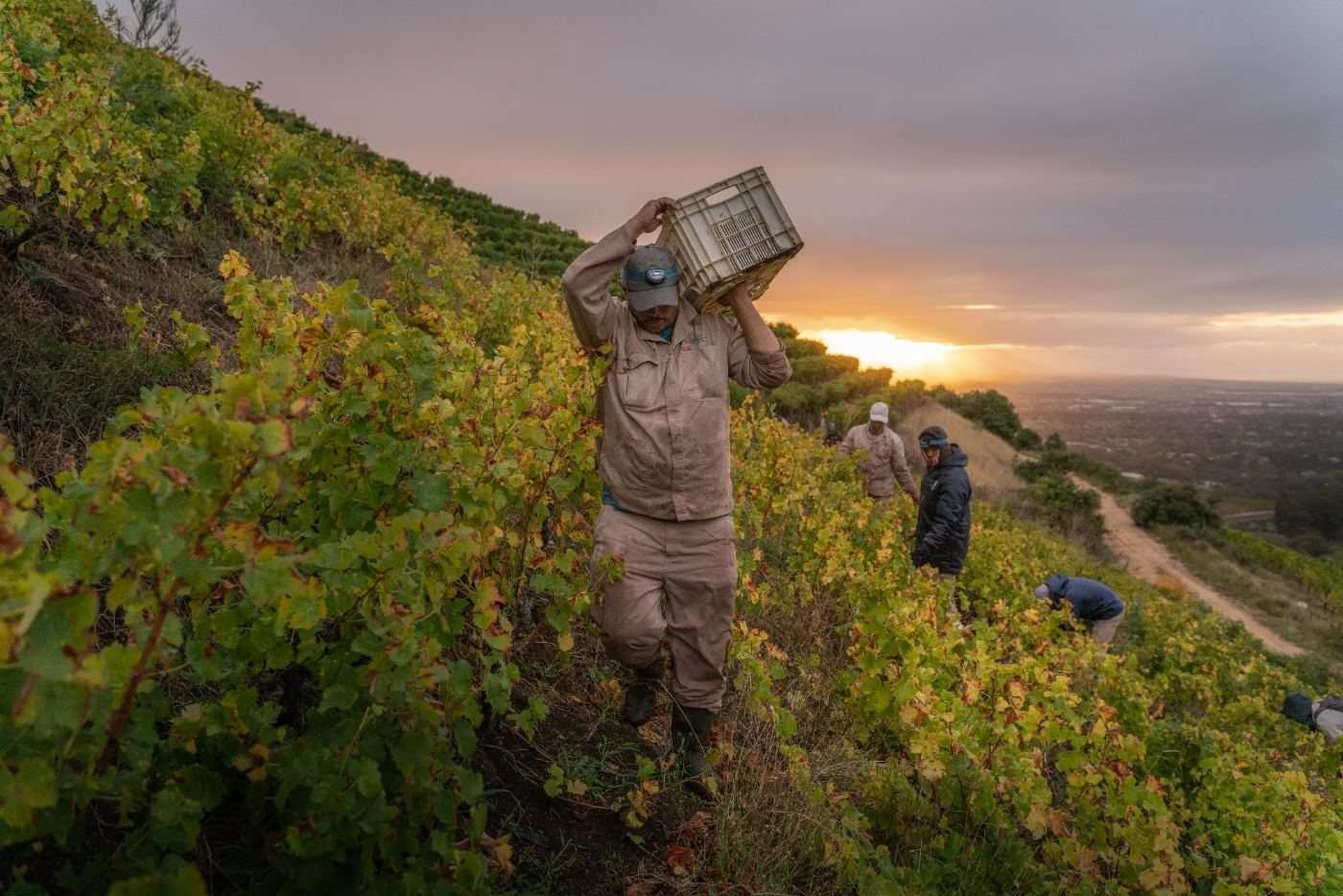
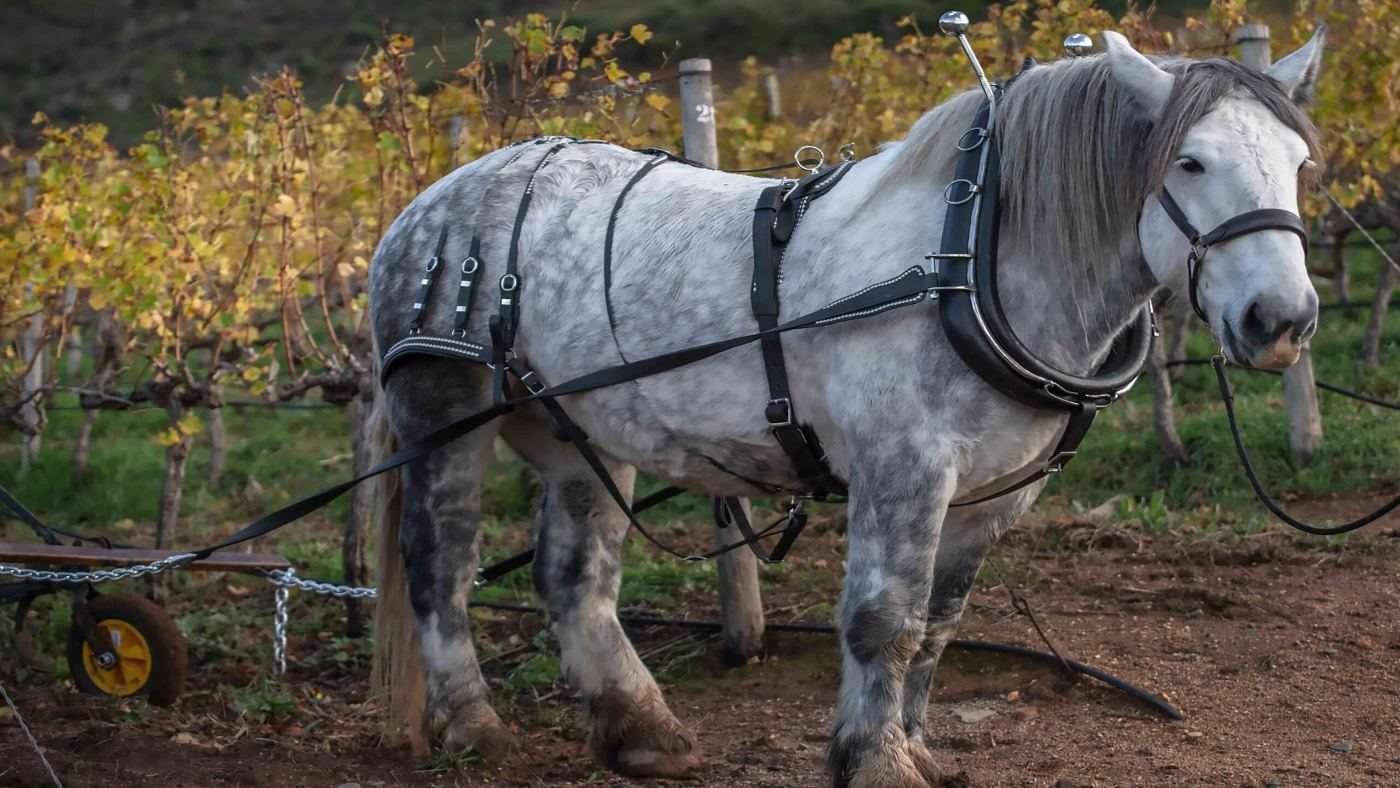
Photographs to keep
Twenty-eight photographs of Klein Constantia, the vineyards, the homestead, the cellar and the wildlife of the farm, to look at large and download.
Open the gallery ↗These vineyards were the view from home. Now I get to share them.
Before you go
Where
At the top of Klein Constantia Road, in the Constantia Valley, about twenty minutes’ drive from the centre of Cape Town.
When
The tasting room is open every day from ten until five, including most public holidays, but closed on Christmas Day and Good Friday. Tastings end an hour before closing.
Book ahead
Space is limited, so we always reserve your tasting and your table in advance. For a group larger than eight, the estate will tailor a private experience for us.
Children
Klein Constantia is a working farm, and most of the tastings and the Bistro are not suitable for children. If you are travelling as a family, tell us and we will plan around it.
The Bistro
The Bistro has been closed for renovation and is due to reopen at the end of October 2026. We will confirm it is open before we book your lunch.
Pairs well with
Buitenverwachting just down the road, Groot Constantia, lunch at Chefs Warehouse Beau Constantia, and an evening on Signal Hill.
Photographs courtesy of Klein Constantia.